Prague Architect | MA Studio – Modern Houses & Sensitive Renovations
The city has its own rules and regulations, and every building must fit sensitively into its surroundings.
We have delivered several projects in Prague and gained solid experience with what local authorities require and how to obtain building permits without unnecessary delays. When you know who to work with and how the process functions, everything becomes significantly easier.
Our role is to find solutions that respect the character of the site while providing comfort and quality for you and your family. Whether it is a house on a slope with panoramic views, an apartment renovation, or a contemporary villa, we always seek a balance between functionality, aesthetics, and your individual vision.
This is precisely why working as architects in Prague is so unique. It requires sensitivity, a deep understanding of local regulations, and the ability to connect tradition with contemporary architecture.
In this article, we present several projects we have designed in Prague, currently in different stages – from completed buildings, through projects under development, to new design studies. You will find interior projects and careful renovations alongside modern multi-storey apartment buildings and private family villas. Our work demonstrates that architecture in Prague can be diverse, functional, and always respectful of its context.
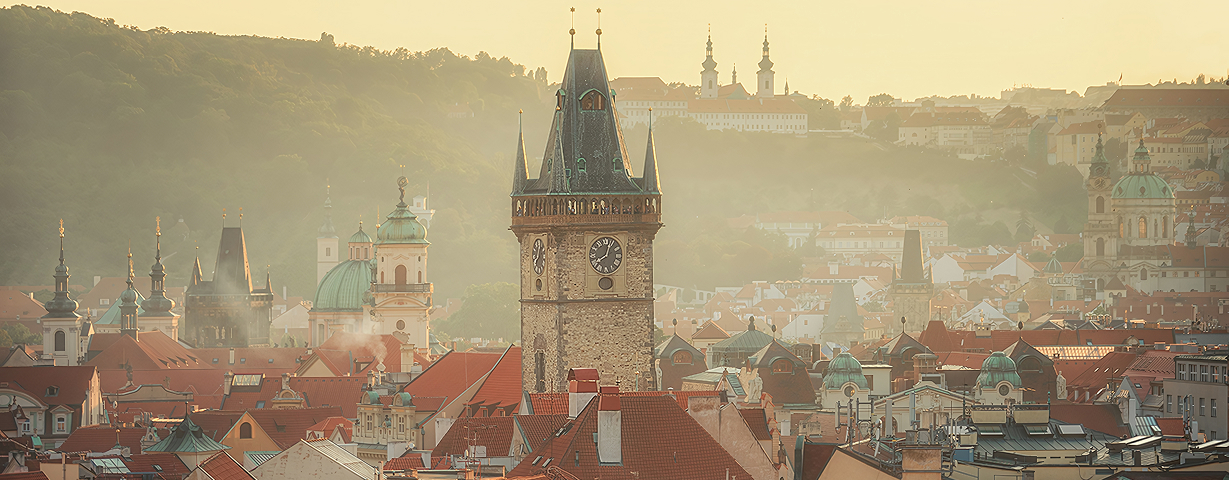
Designing in Prague means working with challenges that are far less common elsewhere.
Here we present a selection of our successful projects in Prague. We begin with interior designs and sensitive renovations, then move on to luxury villas and family houses, followed by commercial spaces – bars and showrooms – and finally modern apartment buildings. This overview illustrates how diverse the work of a Prague-based architect can be and what possibilities contemporary architecture offers today.
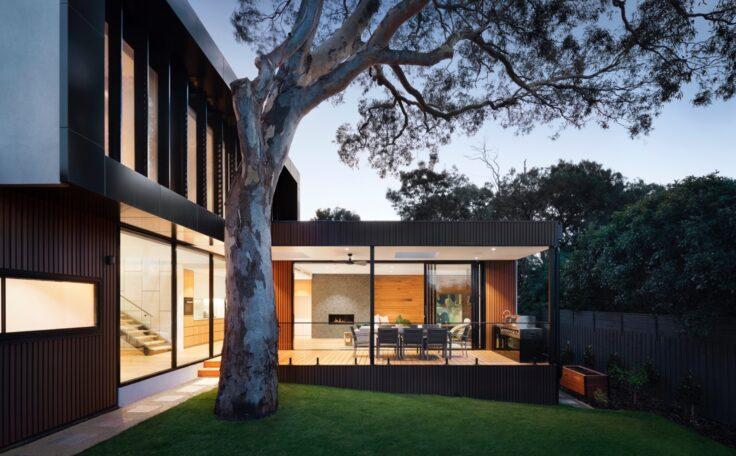
The site was located on a steep slope, with limited possibilities for building orientation and strict urban regulations. It was essential to carefully consider daylight, views, and the integration of the house into the surrounding urban fabric. Designing a house on a slope required thoughtful terrain modeling and a well-considered spatial layout to ensure that every room receives sufficient natural light and a sense of privacy.
Thanks to advanced 3D visualizations and animations, we were able to present the client with a realistic vision of the final building several years before construction began. The visualizations differ from the completed project only in minor details. This approach allowed us to efficiently test various interior and exterior layouts and to ensure that the project is both functional and visually balanced.
The house offers maximum comfort and an efficient use of space that is often challenging on sloped sites. The client valued both the practical solutions and the contemporary architectural expression. At the same time, the project demonstrates how working with a Prague-based architect can deliver innovative and functional solutions even on demanding sites.
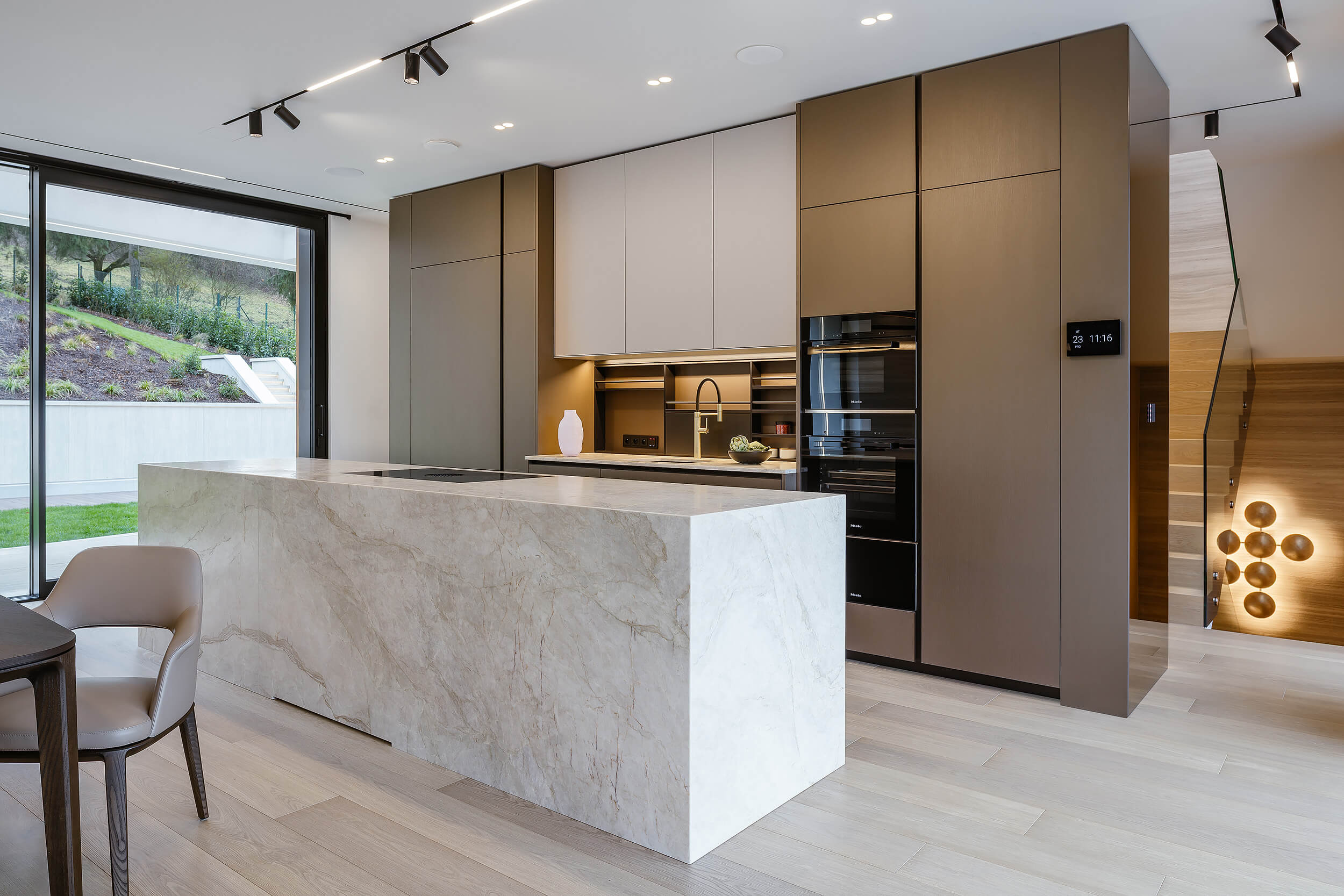
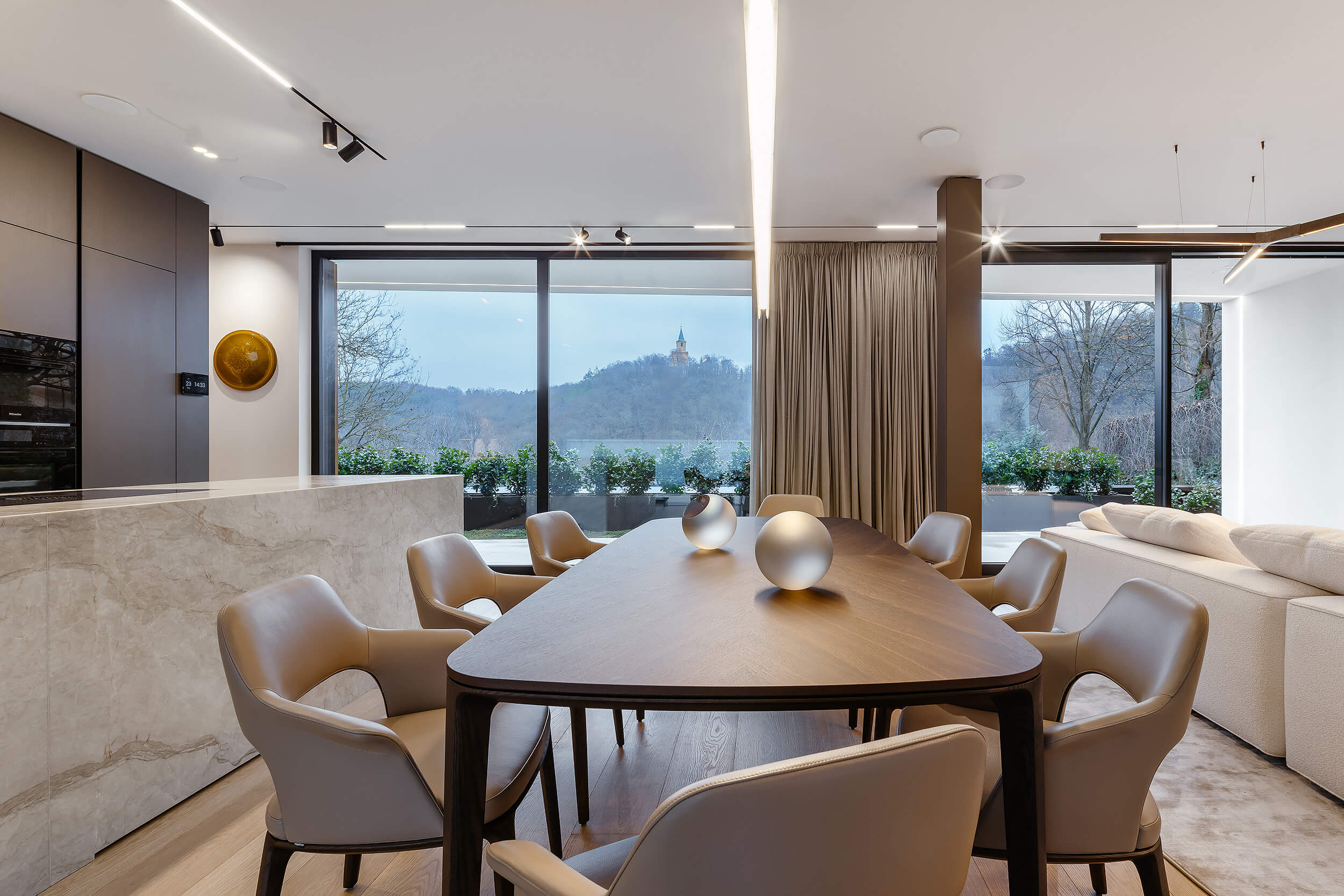
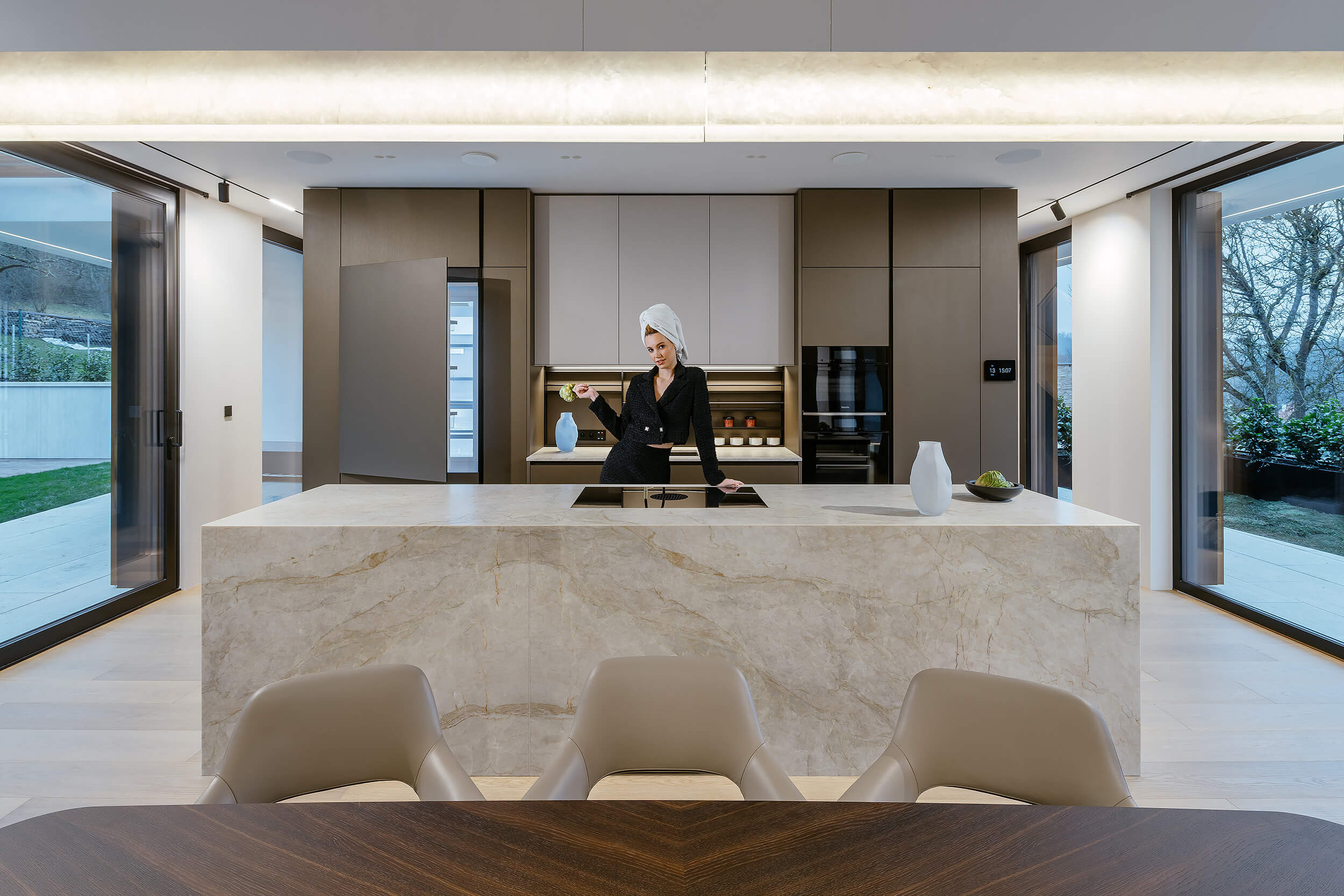
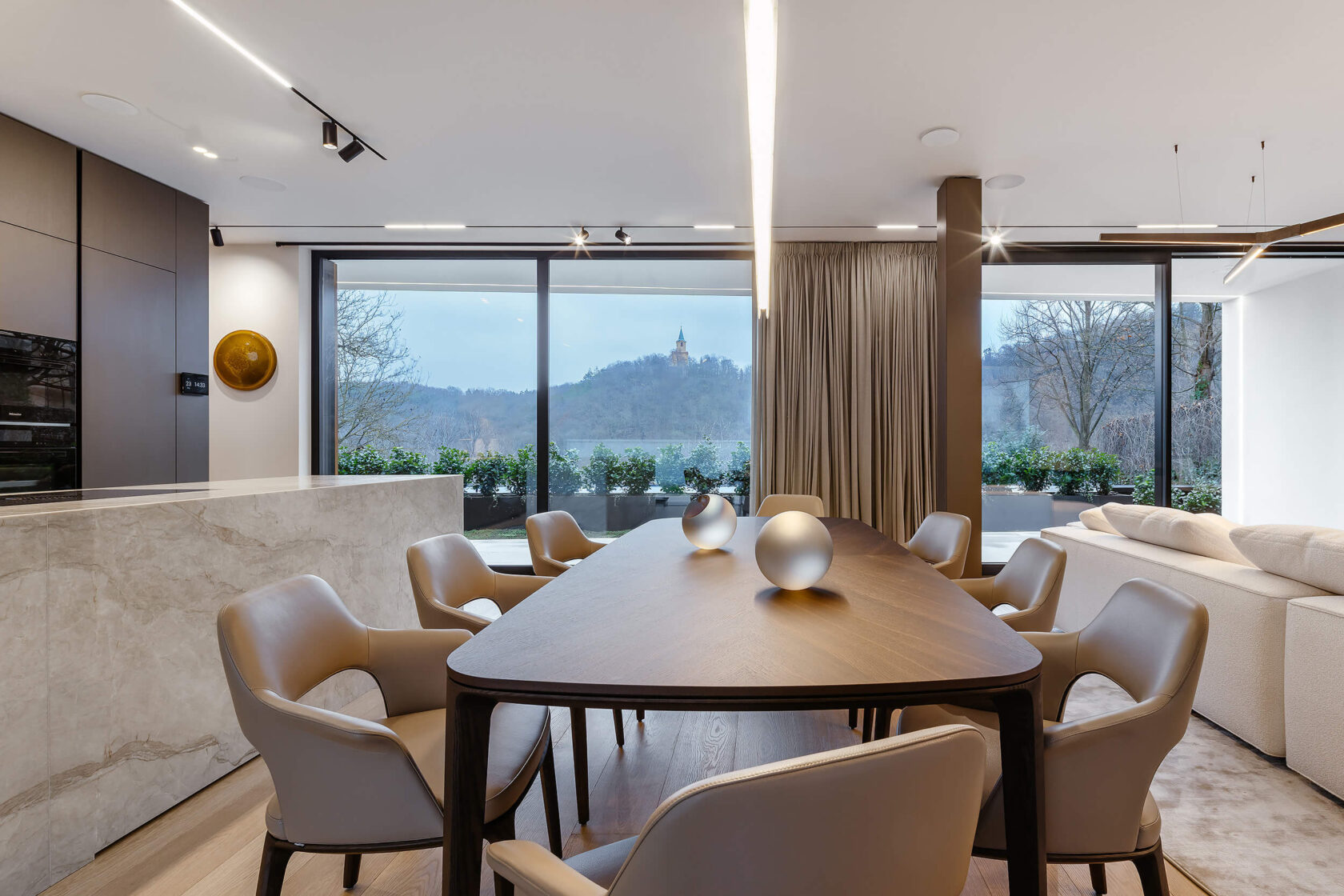
The client’s wish was straightforward: to get the maximum quality of everyday living from the apartment, connect the interior with the terrace, and at the same time preserve a sense of warmth and intimacy. The challenge was to create an airy, minimalist space that still feels welcoming and personal.
We used a precise 3D scan to capture the true morphology of the space. Based on this data, we developed an open-plan concept where living areas flow seamlessly into the kitchen and further onto the terrace. Minimalist details – concealed handles, integrated LED lighting, and backlit niches – were first simulated digitally to test how light, textures, and materials would behave in the real environment.
The apartment breathes elegance and functionality. Carefully selected materials bring warmth, the layout remains open and fluid, and the terrace becomes an informal oasis for morning coffee as well as moments of focused work. The client gained a home that is both aesthetically refined and highly practical – an authentic urban retreat with its own character and soul.
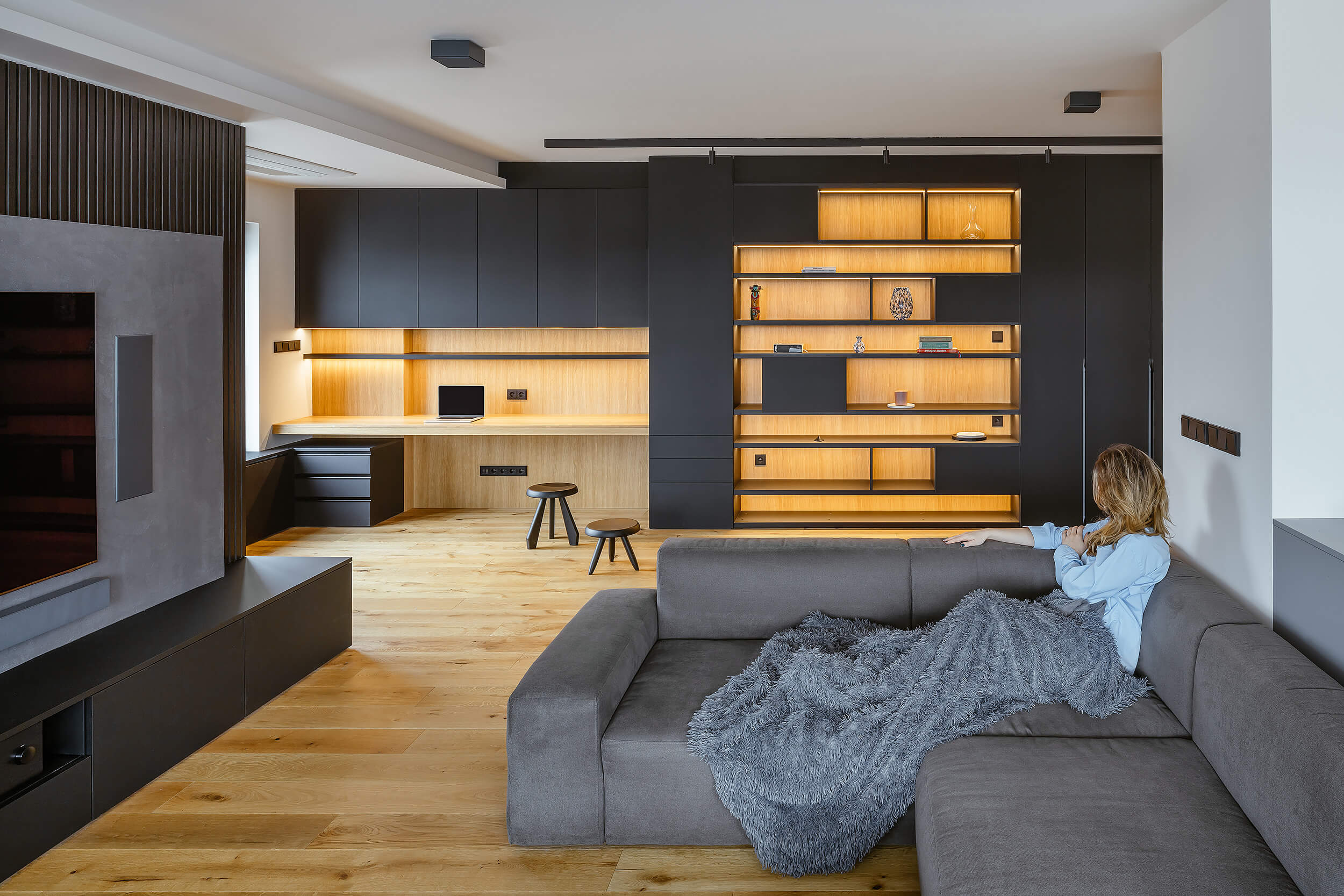
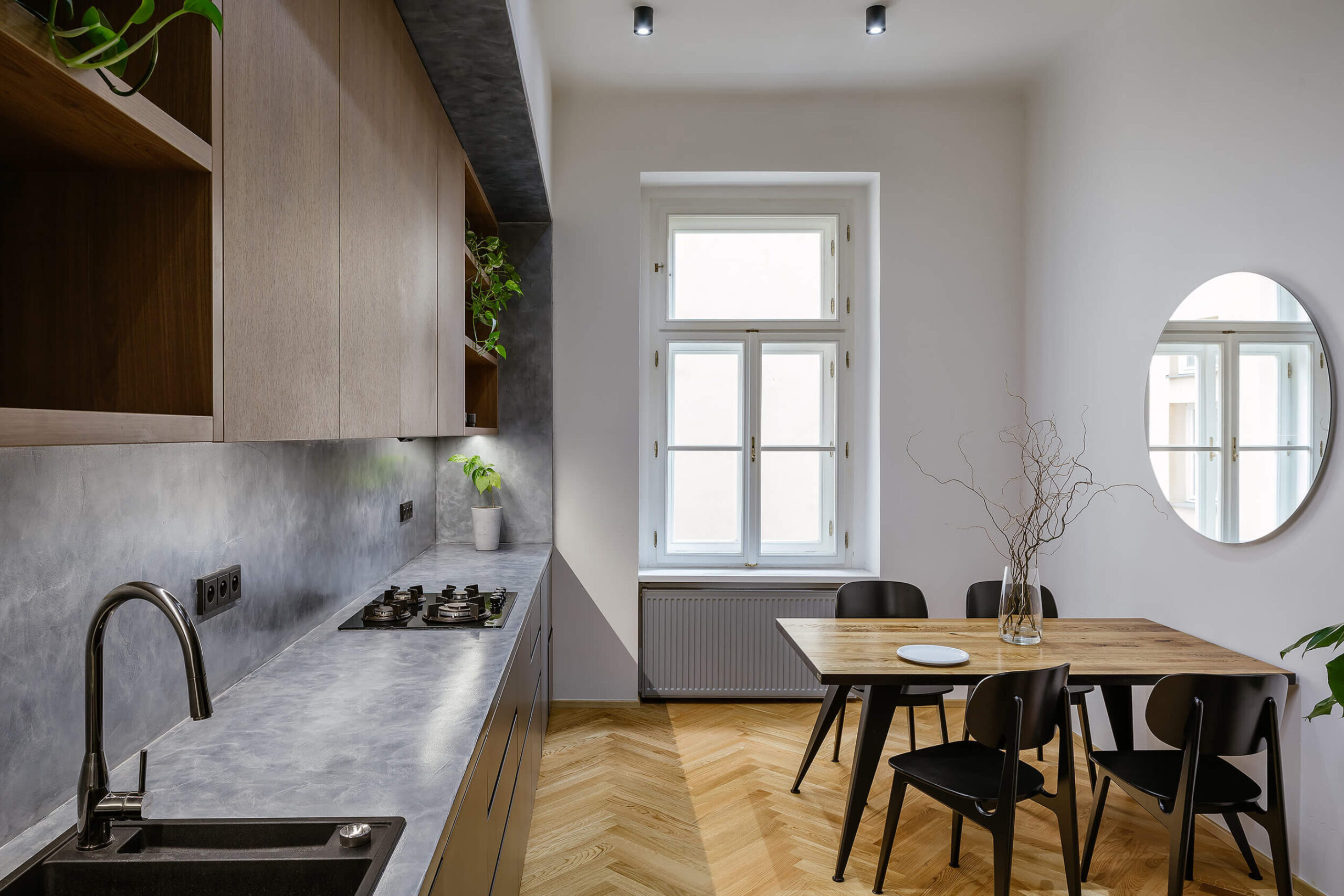
This project involved the renovation of an apartment in a historic building in Prague’s Vinohrady district. The main challenge was to preserve the original character of the interior while adapting the space to contemporary living.
A detailed survey of the existing structures allowed us to uncover hidden spatial potential. The design combines preserved historical elements – wooden floors and decorative stucco details – with modern materials and an updated layout.
The result is an apartment that respects its historical context while offering a functional, modern living environment. The client appreciated that the home feels warm and authentic, yet fully adapted to the demands of everyday life.
The renovation encompassed the entire villa, including four floors and the surrounding garden. The key challenge was to unify exterior and interior spaces across the sloping terrain while maximizing the connection to Prague’s panoramic views, including Prague Castle, Stromovka Park, and the Exhibition Grounds.
The minimalist facade design and vertical continuity linking the building to the hillside were complemented by a technical solution integrating terraces and a summer kitchen directly into the slope. As a result, the upper floor was conceived as an open-plan space connected not only to the interior but also seamlessly to the exterior – particularly the terrace and swimming pool.
The villa now flows naturally into a terraced landscape system, allowing residents to move effortlessly between the interior, the summer kitchen, and the outdoor pool without changes in elevation. This approach elevates everyday living comfort and gives the project a distinctive character and rhythm. Expansive views of Prague add a sense of openness and freedom, while the house remains firmly embedded in its terrain and surrounding environment.
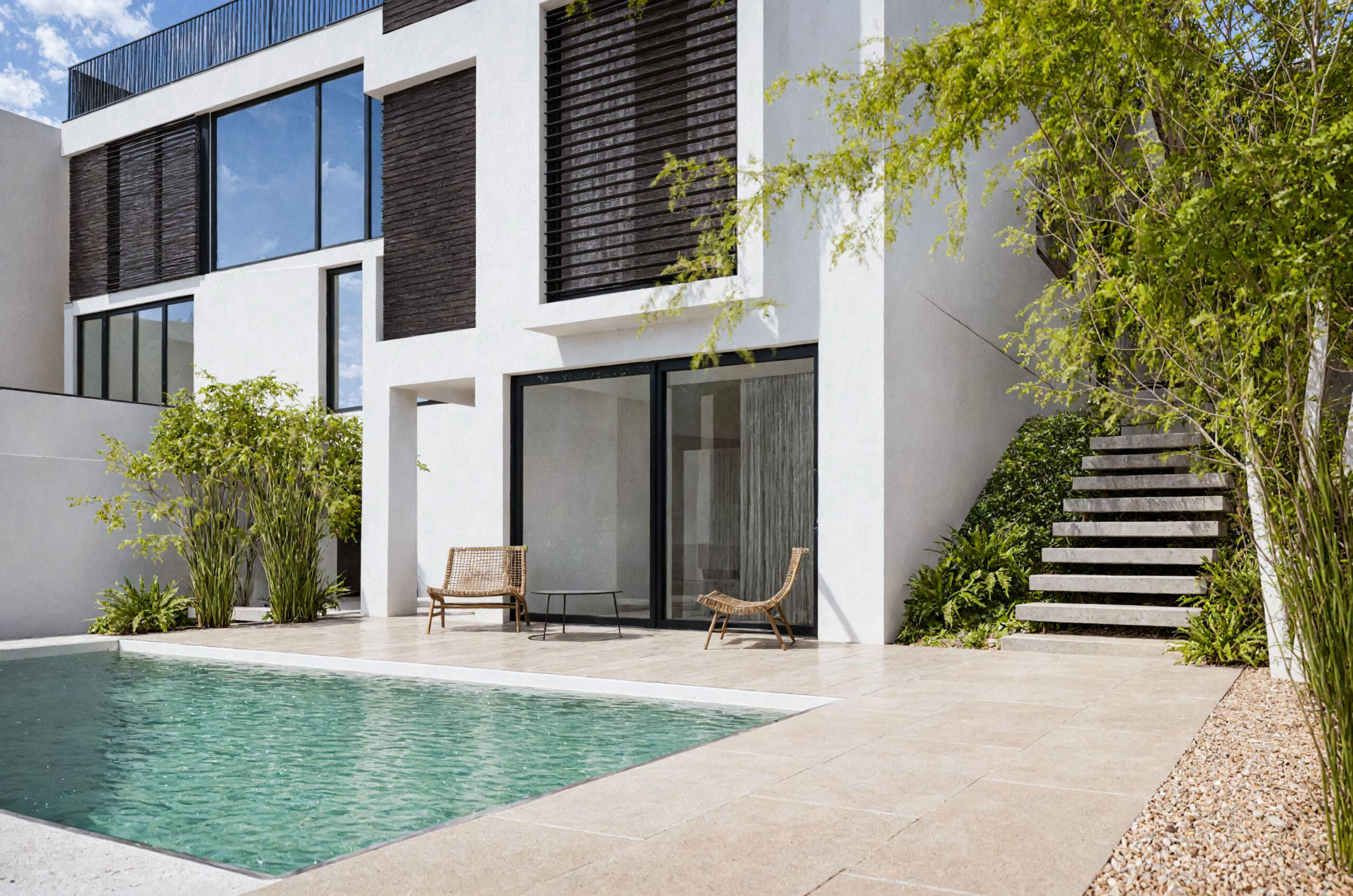
The plot in the quiet residential area of Dobeška required a sensitive architectural approach. Urban regulations and the density of the surrounding development limited the possible orientation of the villa. Our primary focus, however, was the direct view towards Prague Castle, Vyšehrad, and the historic core of Prague.
As locals, we understand how important a strong connection to the exterior is. As architects working in Prague, we also know that certain conventional design assumptions sometimes need to be set aside in order to create open spaces that naturally extend into the exterior while preserving the full functionality of the interior. In this case, terracing proved to be a highly effective solution.
Advanced animations helped simulate the movement of daylight throughout the day and demonstrated how contemporary architecture can successfully operate within a traditional neighborhood.
In addition to standard 3D visualizations, we employed detailed terrain modeling and view simulations from individual rooms. This made it possible to precisely define the orientation of living spaces to achieve optimal daylight conditions while minimizing the impact on neighboring buildings. The architectural concept is based on a strong connection between terraces and interior spaces, with residential levels layered into the slope.
The villa is designed to blend naturally into its surroundings while providing the family with a high degree of privacy. Contemporary architecture here acts as a subtle framework for everyday life, unfolding both indoors and within the garden.
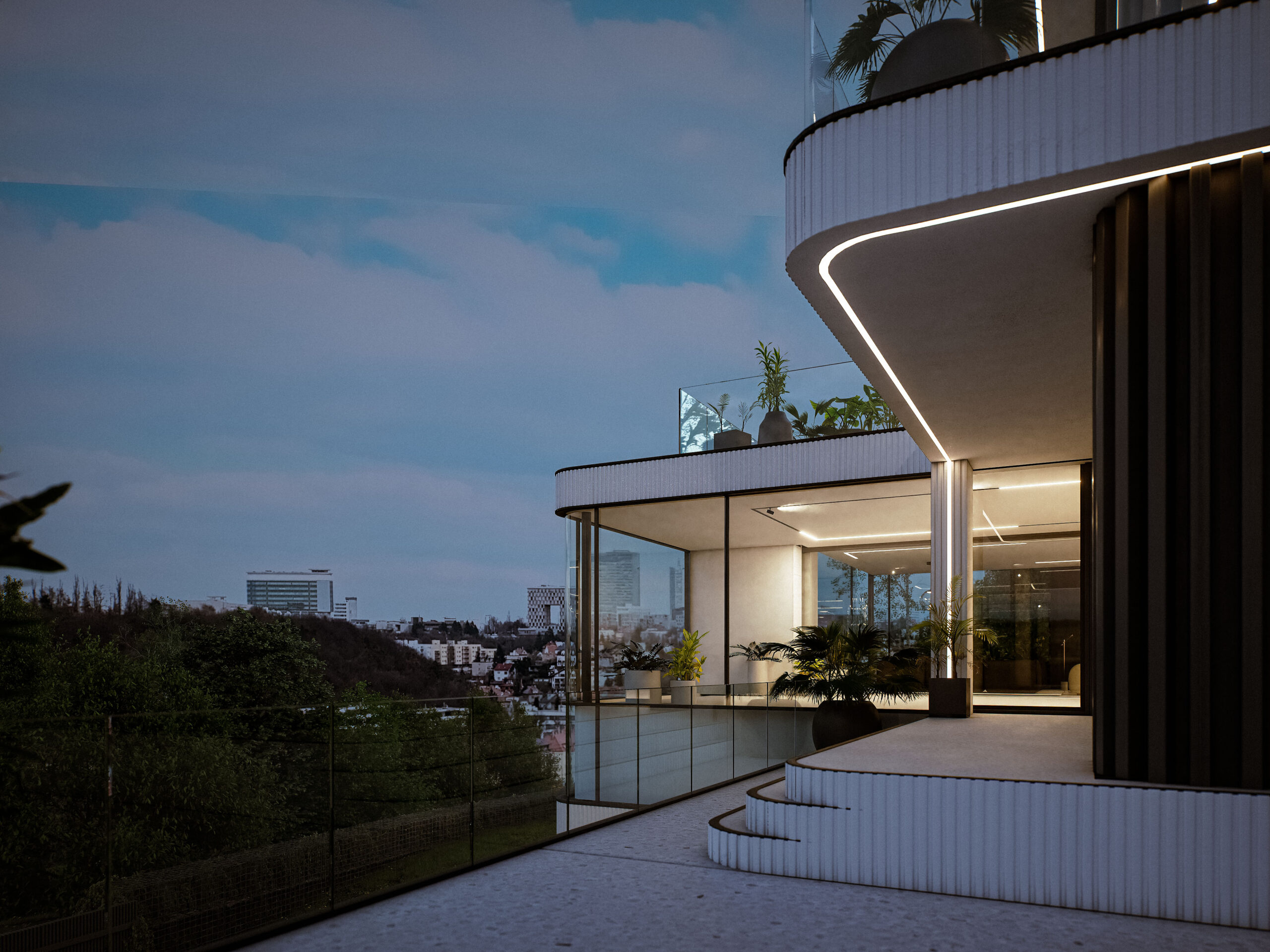
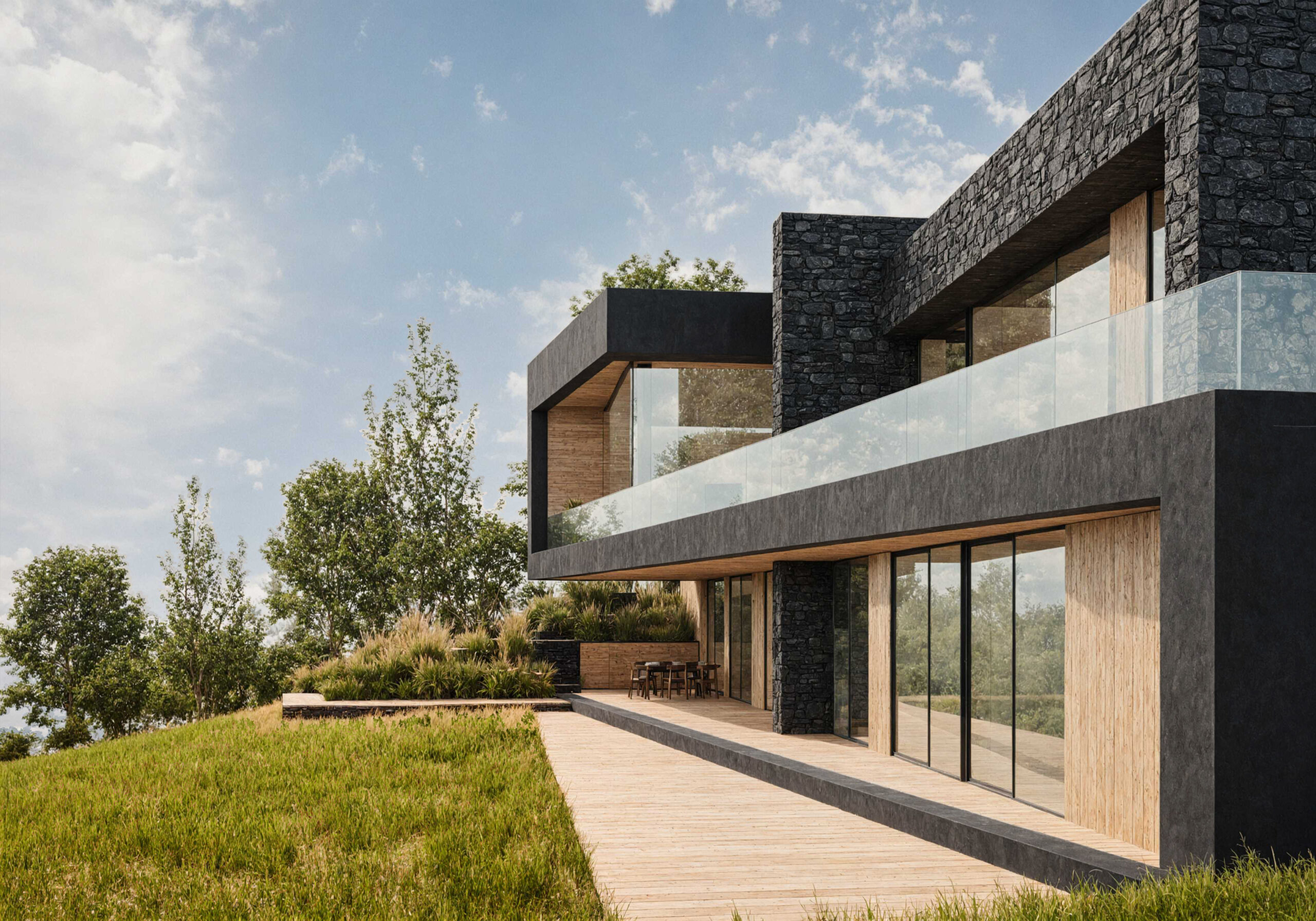
The plot was located on a pronounced slope with uneven terrain. The main challenge was to design a house that would not act as a barrier, but instead use the topography to open up panoramic views of the city. As architects, we sought a balance between the technical demands of a sloping site and the client’s request for a comfortable family home.
During the design process, we worked with a detailed digital terrain model that allowed the building volume to be precisely aligned with the sloping parcel. From the outset, this approach enabled us to consider both the technical aspects of the terrain and the quality of views from each level. The terraces are designed as natural extensions of the living spaces and function as visual links between the interior and the surrounding landscape.
Panorama House is a project that turns a challenging slope into an advantage. The living areas open toward the landscape, and each floor maintains a direct connection to the exterior. The client gained a home offering a high level of privacy, expansive views, and abundant natural daylight, while the house remains respectful of the surrounding development.
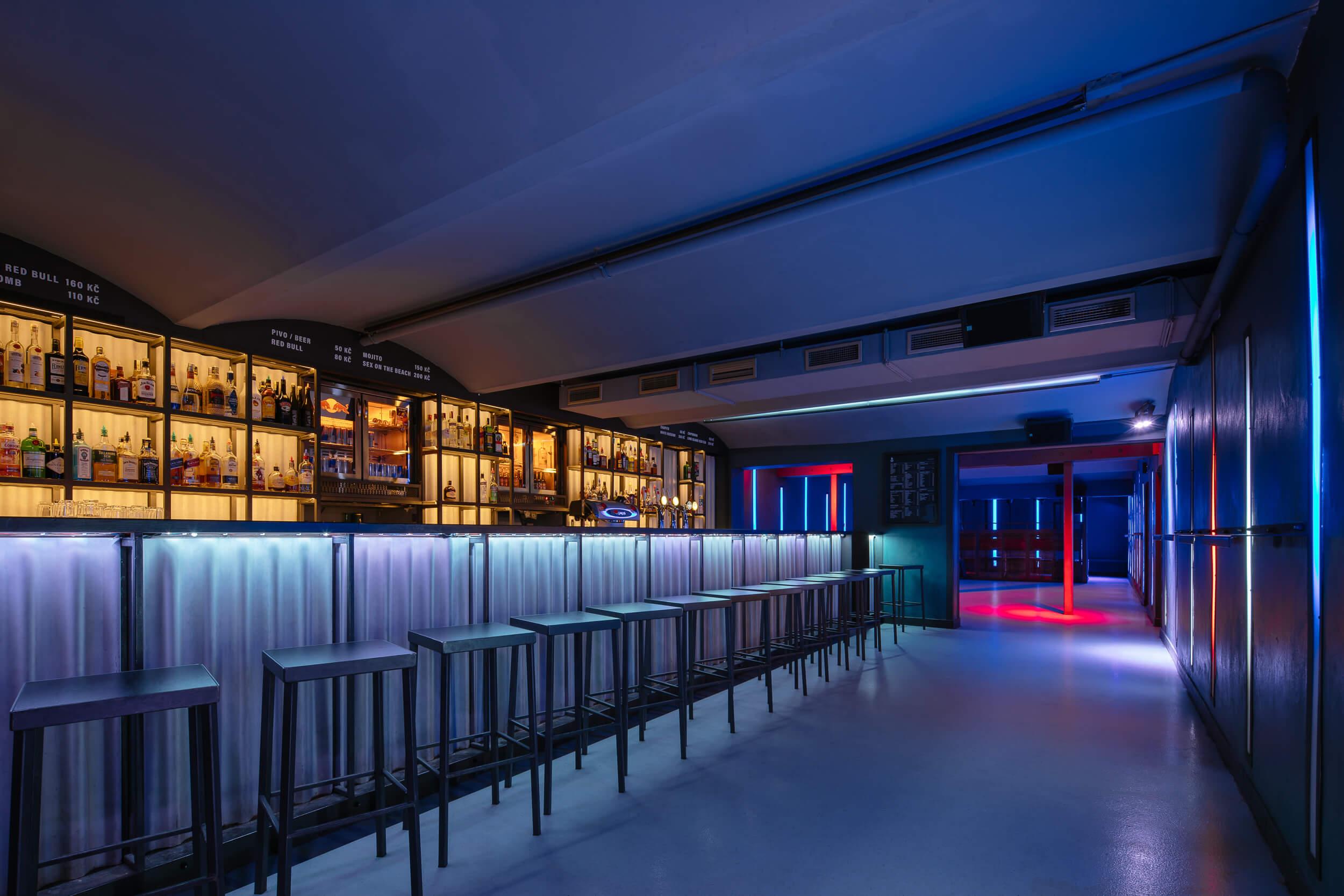
One of Prague’s oldest clubs (established in 1919) required a simplification of its interior while preserving its genius loci and preparing the space for demanding night-time operations. The task was to respect the existing layout, including the bar, dance floor, stage, and cloakroom.
The interior was stripped of layers from previous interventions to reveal a minimalist, almost raw character. At the core of the design is an innovative installation of vertical, programmable LED panels (32 units in total), which respond to music and create an atmosphere driven by algorithms and visualizations linked to a 3D model.
Chapeau Rouge has retained its musical soul while gaining a new atmospheric layer that enhances the overall club experience. The design does not impose itself, but rather complements the music and the energy of the space.
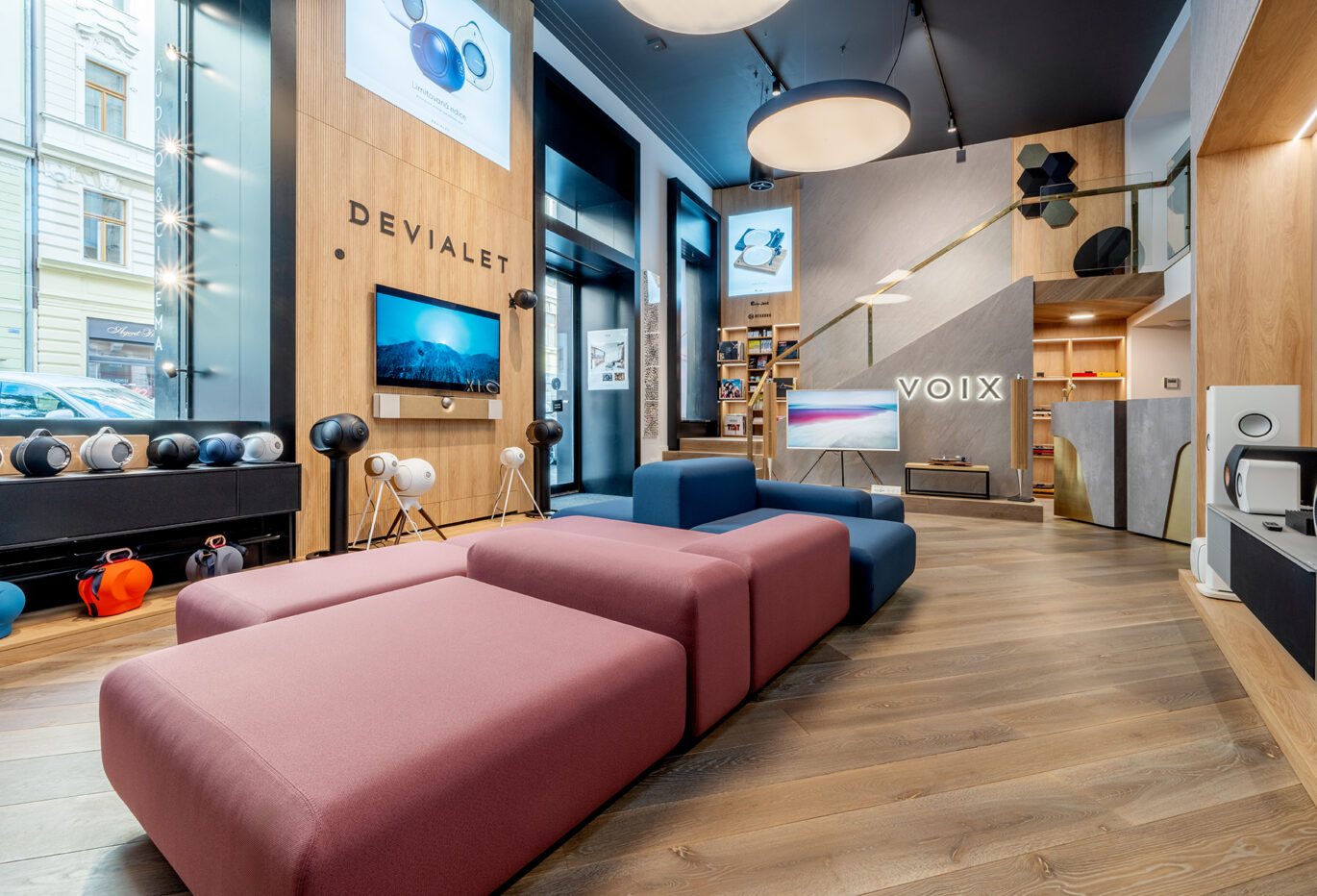
In Prague’s historic city center, the goal was to create an elegant environment for presenting high-end audio technology – a space that functions both as a showroom and as a place for immersive listening experiences.
The minimalist design supports both acoustics and aesthetics. Strategically positioned equipment allows for focused listening without disturbing the visual clarity of the interior, where form and function are carefully balanced.
Voix Showroom is not only a place to present products, but also a space where the perception of sound merges with architecture. Visitors and clients leave with a deeper sensory experience and a sense of understated elegance.
Challenges and Solutions:
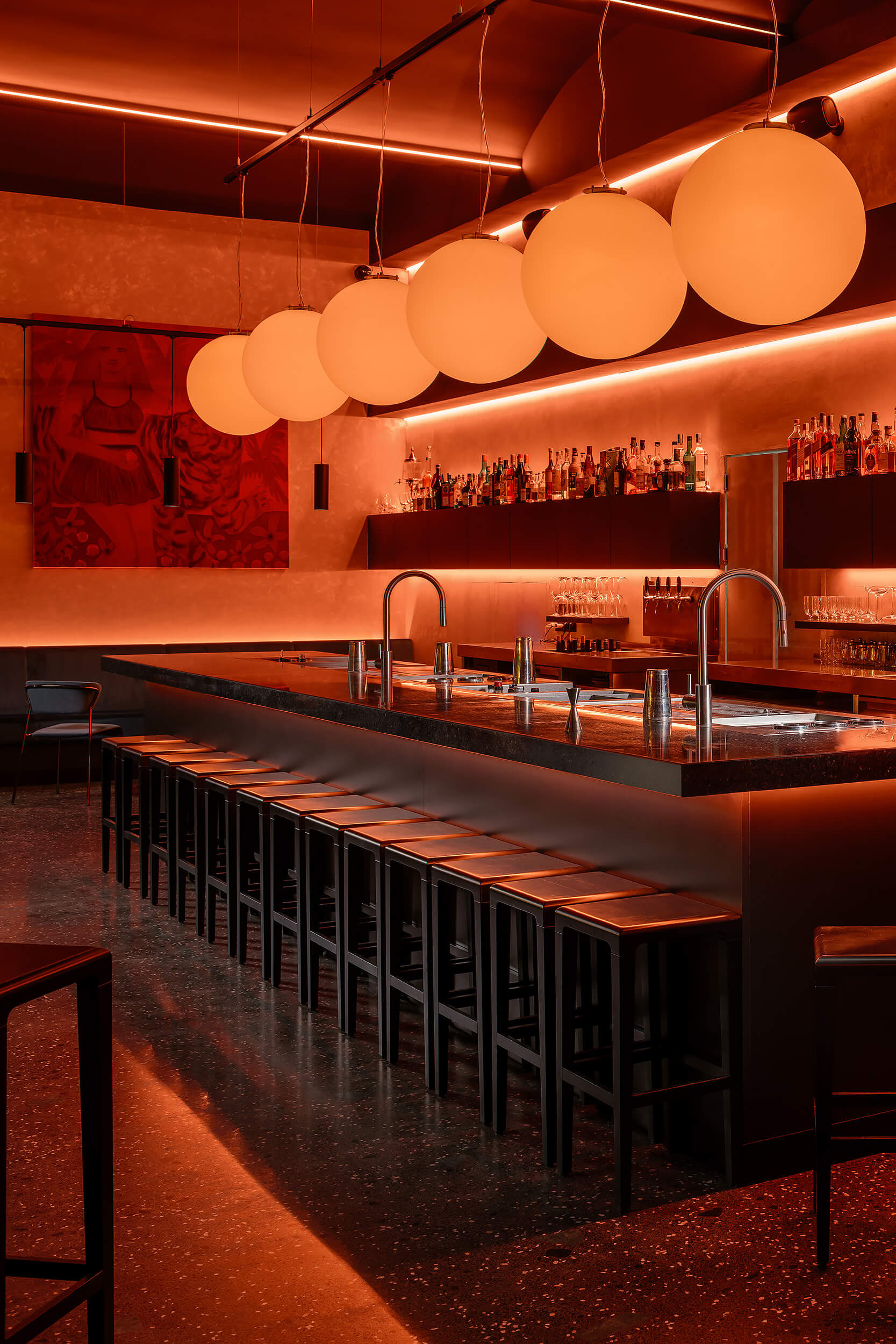
The project combines a café, bar, and gallery within a single space in the center of Prague. The key challenge was to connect the historic context with contemporary operation, build on the venue’s previous success, and preserve the refined character of the location.
The interior concept features a terrazzo bar, rustic plaster finishes, suede seating, and dynamic lighting that changes throughout the day. Details such as subtle neon accents and focused spot lighting create an atmosphere that is both visually rich and highly functional. The design draws inspiration from leading international bars in cities such as London and Barcelona.
Despite its historic core, the space feels visually fluid and dynamic. Through a sensitive design approach, guests experience an environment that is simultaneously aesthetic, social, and stylish — a place offering a multi-layered spatial and sensory experience.
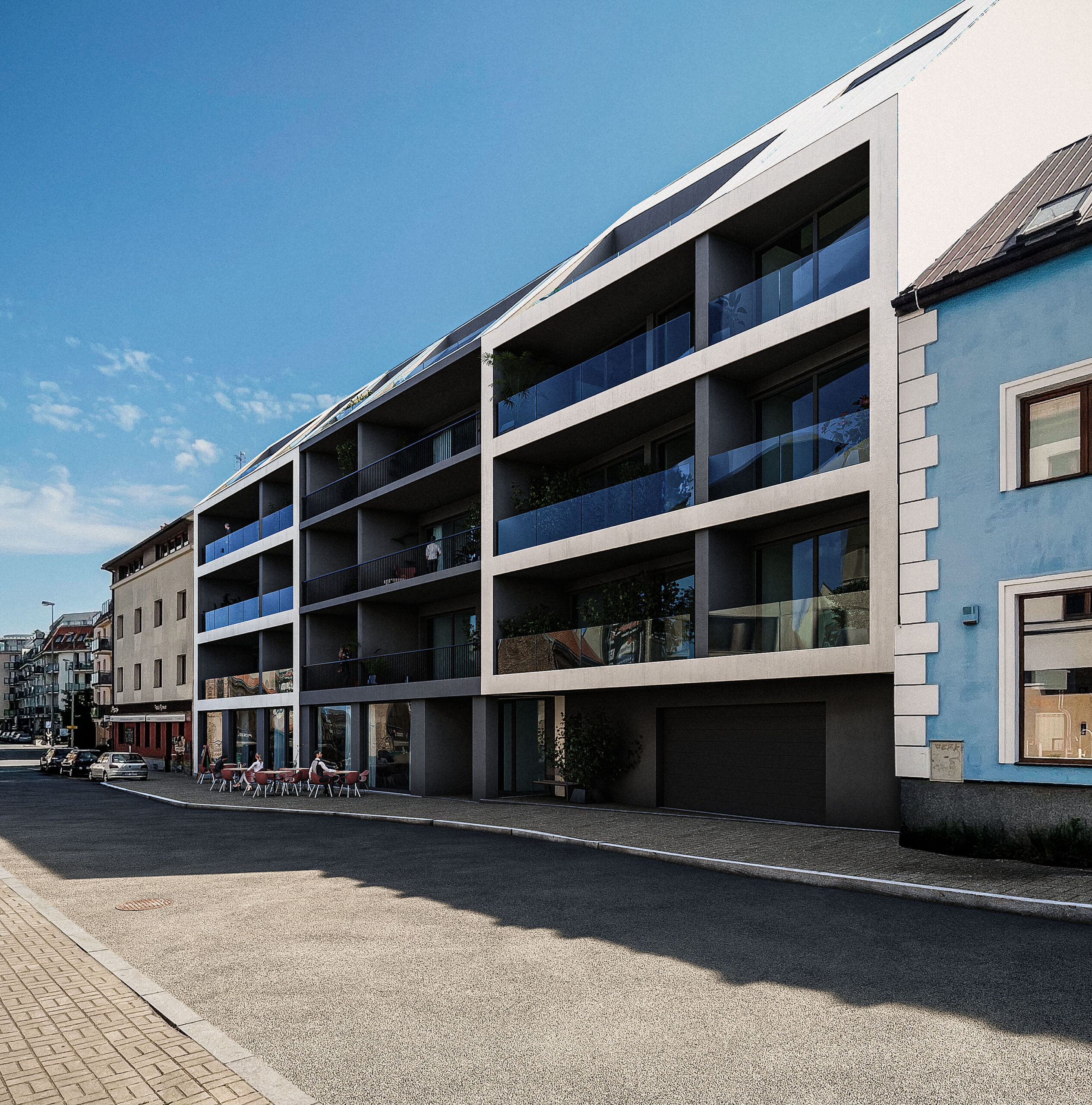
The plot, located in the picturesque setting of Modřany, required equal attention to aesthetics and practical solutions. The main challenge was to design contemporary architecture that respects both the surrounding development and the terrain. The building is conceived so that its western facade with loggias offers generous views over the Vltava River valley while making efficient use of natural daylight. The internal layouts are based on an orthogonal floor plan, ensuring logical organization and a high level of living comfort.
The project features a carefully considered facade concept. The loggias function as both visual and functional elements, shading the interiors from direct sunlight while breaking down the building’s mass. The interiors connect naturally to the entrances through an active public ground floor with a restaurant zone, while parking solutions within the inner courtyard provide convenient access for residents and help keep the surroundings clean and uncluttered.
The apartment building presents a modern yet context-sensitive approach to housing. It offers comfortable living with ample daylight and views, protected by integrated courtyard parking and a well-designed entrance sequence. For the investor, the project represents an ideal balance between residential quality and a sustainable urban concept.
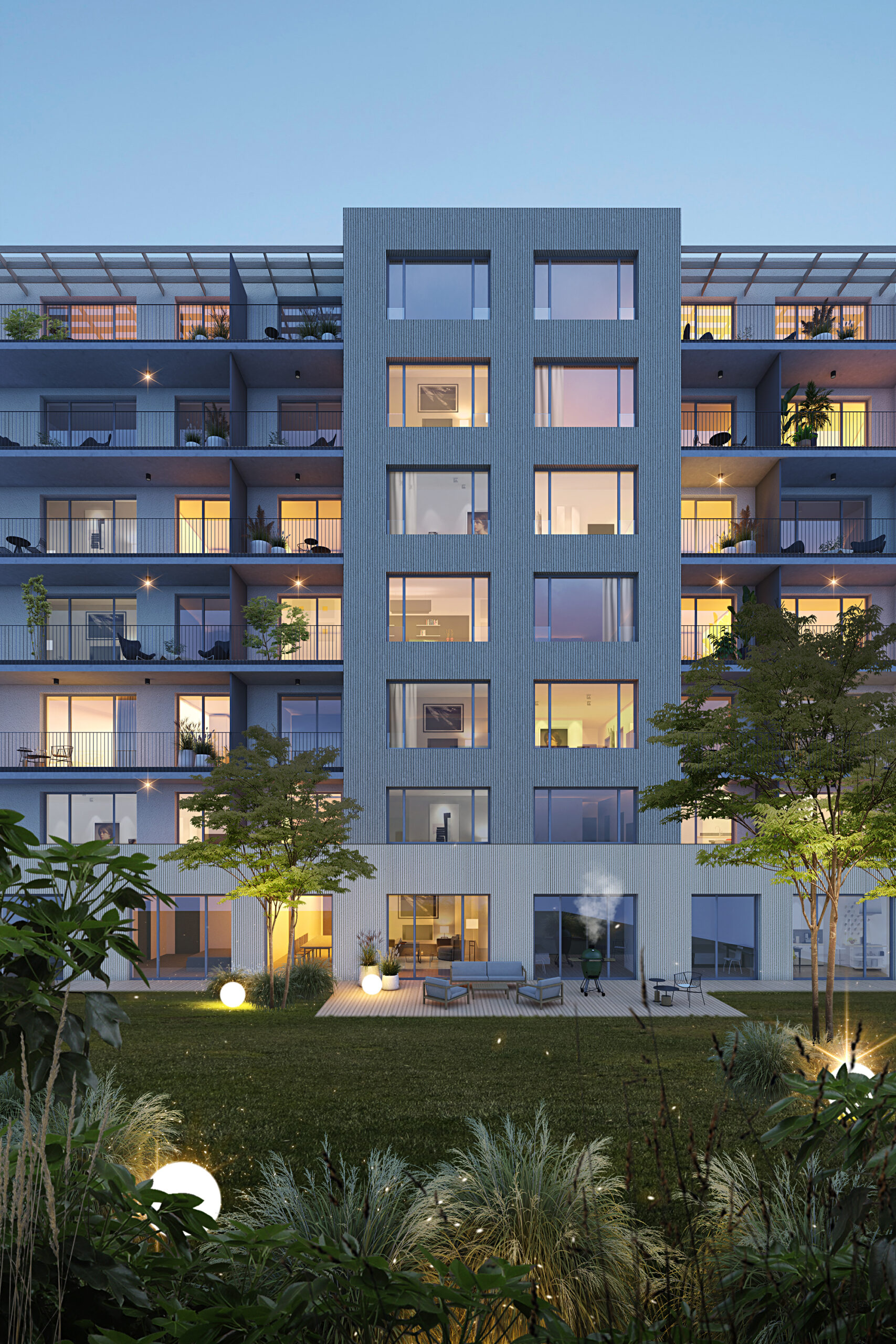
The project was developed on an infill site between existing buildings, where the main task was to design a structure that both blends in and adds a distinctive character to the Karlín district. Inspiration drawn from the traditional urban block structure shaped the concept of the building – a pronounced ground floor, bay windows, and a recessed top level reflect the original scale and enrich the street façade.
Within the inner courtyard, inspired by the elegance of 19th-century architecture, a system of loggias is introduced. These allow apartments to be oriented toward the west, bringing natural light and a sense of calm. This urbanistically sensitive approach strengthens the local context and prepares the neighborhood for future growth.
Zenklova is an urban residential building that connects historical sensitivity with the comfort of contemporary living. The ground floor, loggias, and the building as a whole contribute to a high quality of life in the dynamically evolving Karlín district.
Designing an apartment building on a corner plot in the dense urban fabric of Libeň required a strong focus on flexible layouts and high-quality public spaces. At the same time, the project needed to balance a contemporary architectural expression with the existing urban context.
The building is divided into two volumes, with the corner acting as a defining architectural element. The ground floor integrates a central foyer, commercial units, and practical amenities such as stroller and bicycle storage. The façade, articulated with brick cladding in varying shades, creates an elegant appearance, while balconies and rooftop terraces enhance the overall quality of living. External parking is resolved through a four-level system, optimizing space efficiency and ensuring convenience for residents.
The project delivers modern, functional housing within the compact center of Libeň. It strengthens the urban context while offering comfortable layouts and valuable outdoor spaces in the form of balconies and terraces.
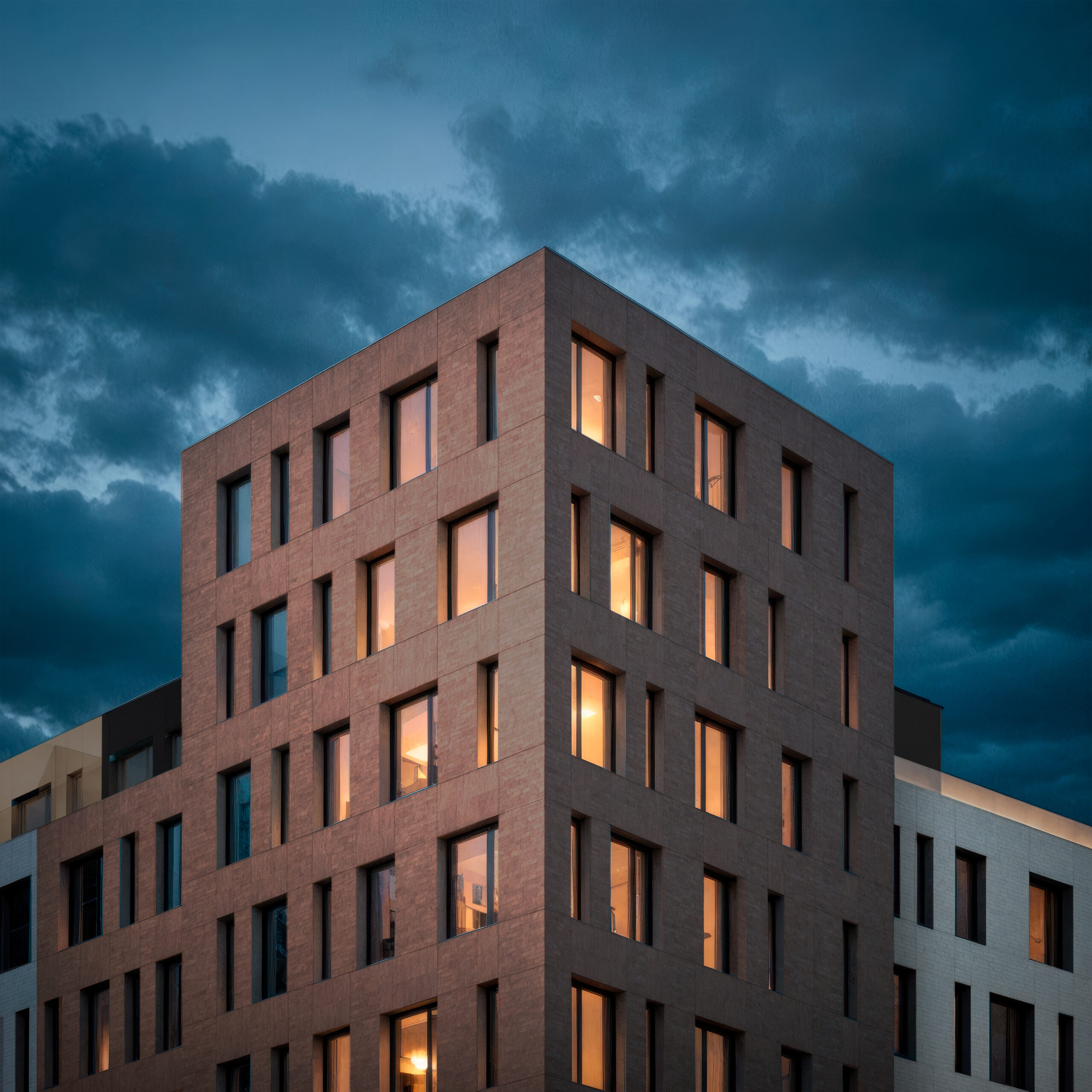
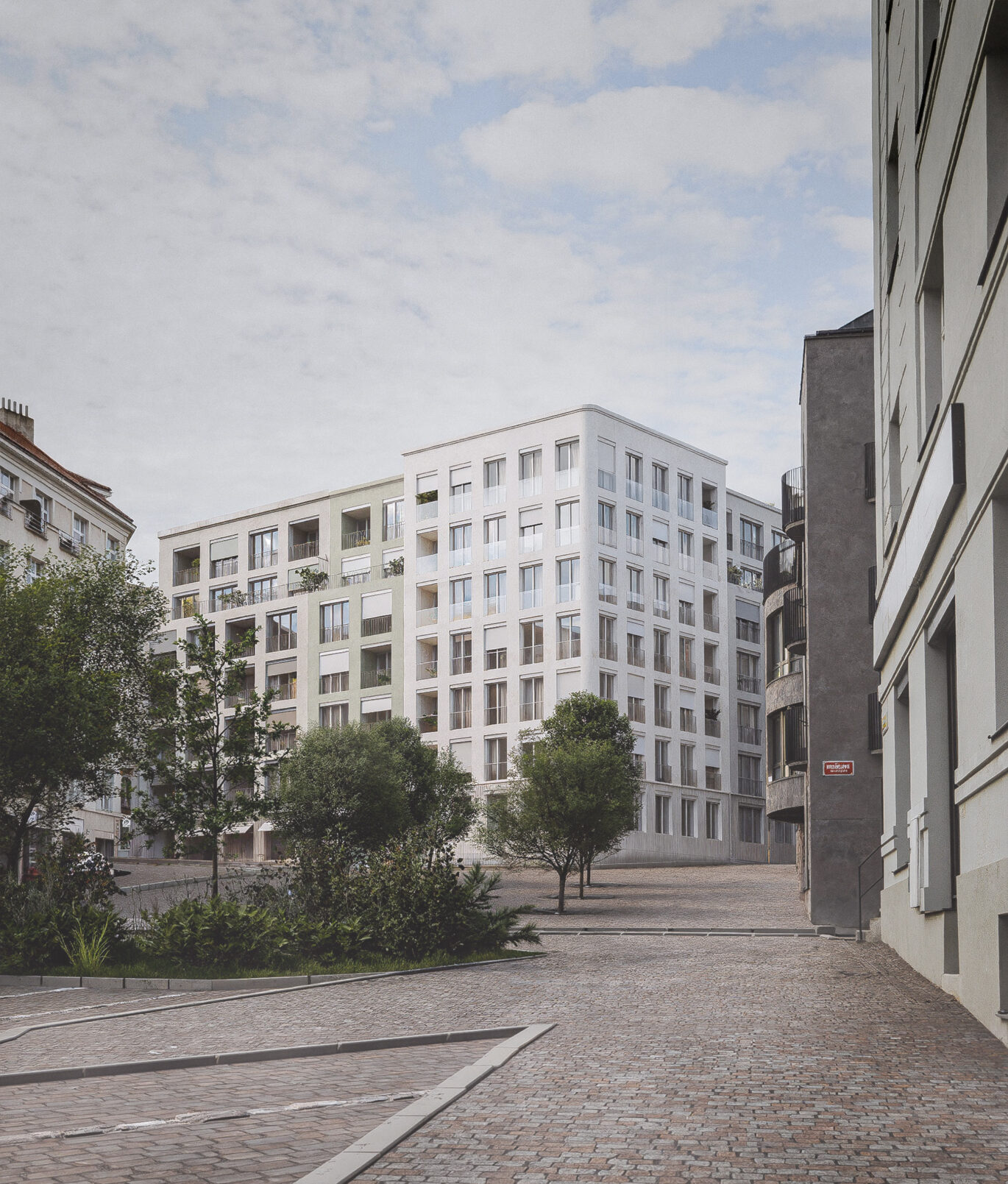
The task was to complete a missing urban block and strengthen the historic character of Upper Libeň. The seven-storey building naturally continues the neighboring eclectic development, featuring an active ground floor and sensitively articulated façades.
The façade is structured according to the internal layout, incorporating loggias and French windows that bring daylight and views into the inner courtyard. The corner of the building is rounded to support smooth public movement, while the choice of materials and pastel plaster finishes responds to the local architectural character. Exterior blinds complement both the aesthetic expression and the practical performance of the building.
Primátorská completes the urban block while offering modern living comfort and respecting its historical context. A new public space emerges – a place where families and neighbors can naturally return and gather.
In today’s architecture, traditional drawings alone are no longer sufficient. At MA Studio, we work with a wide range of tools – from 3D modeling and digital scanning to physical models and drone documentation. These methods allow us to develop projects down to the smallest detail and show clients how their future home or interior will truly function.
For the family house near Divoká Šárka, for example, we created a scale model using 3D printing, allowing us to physically test proportions and the building’s integration into the slope. This approach proved valuable not only during the design process but also in presentations to the client, who gained a tangible understanding of the final result.
In contrast, drone footage played a key role in the Villa Dobeška project. It enabled us to analyze views and the surrounding context in detail, which was essential for the correct orientation of the building and the optimal use of the site.
For renovations, such as Villa Troja, we rely on 3D scanning to capture the precise morphology of the entire structure. This allows us to design with millimeter accuracy and seamlessly combine historic elements with contemporary interventions.
These processes demonstrate that an architect is not just a drafter of plans, but a partner from the very first idea through to realization. It is precisely this combination of experience and technology that ensures the final projects respond both to the client’s needs and to the character of the place.
If you are considering a new build or renovation in Prague, a few insights drawn from our projects may be helpful:
A sloping site is not a problem, but an opportunity.
Projects such as Block House or Panorama House show that a slope can offer breathtaking views and a high level of privacy. The key is to consider technical solutions already at the stage of selecting the plot.
Light is the most important material.
In apartment buildings such as Zenklova or Libeňka, loggias and large windows played a crucial role. Proper orientation of apartments significantly improves the quality of living.
An architect saves time and reduces stress.
In the Villa Troja renovation, 3D scanning helped us avoid costly mistakes, while in apartment developments our familiarity with permitting processes proved invaluable. In Prague, this often determines whether a project progresses smoothly or becomes delayed for years.
Technology is now a standard.
Whether through drone surveys, 3D-printed models, or digital visualizations, technology helps us make decisions faster and gives clients confidence that they fully understand what they are investing in.
Prague is a city with a rich history that inspires, but also imposes demanding regulations. An architect working in Prague must therefore combine sensitivity to place with contemporary tools. MA Studio’s projects – from family houses on slopes and luxury villas to modern apartment buildings – demonstrate that good architecture can be functional, aesthetically refined, and timeless.