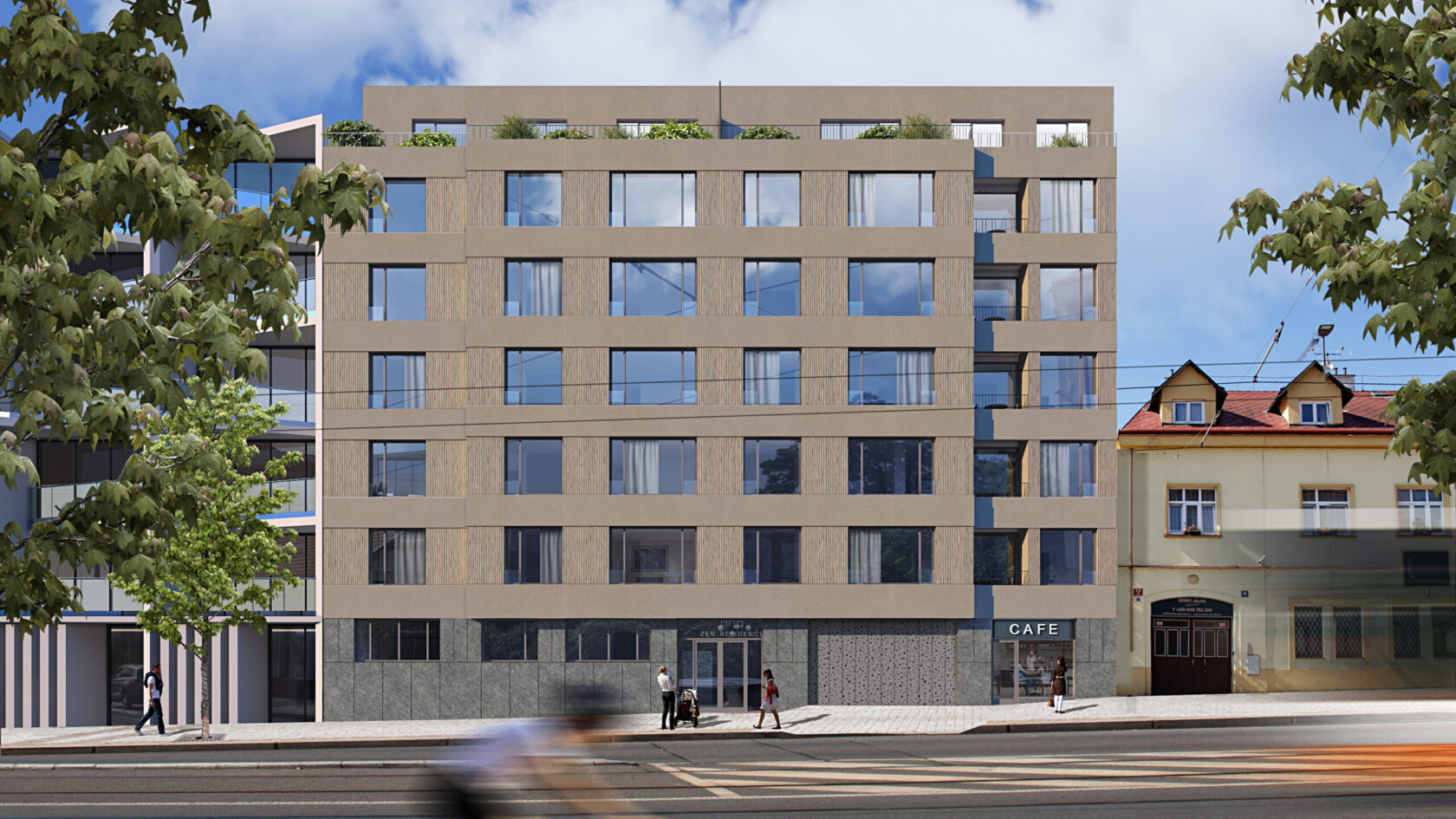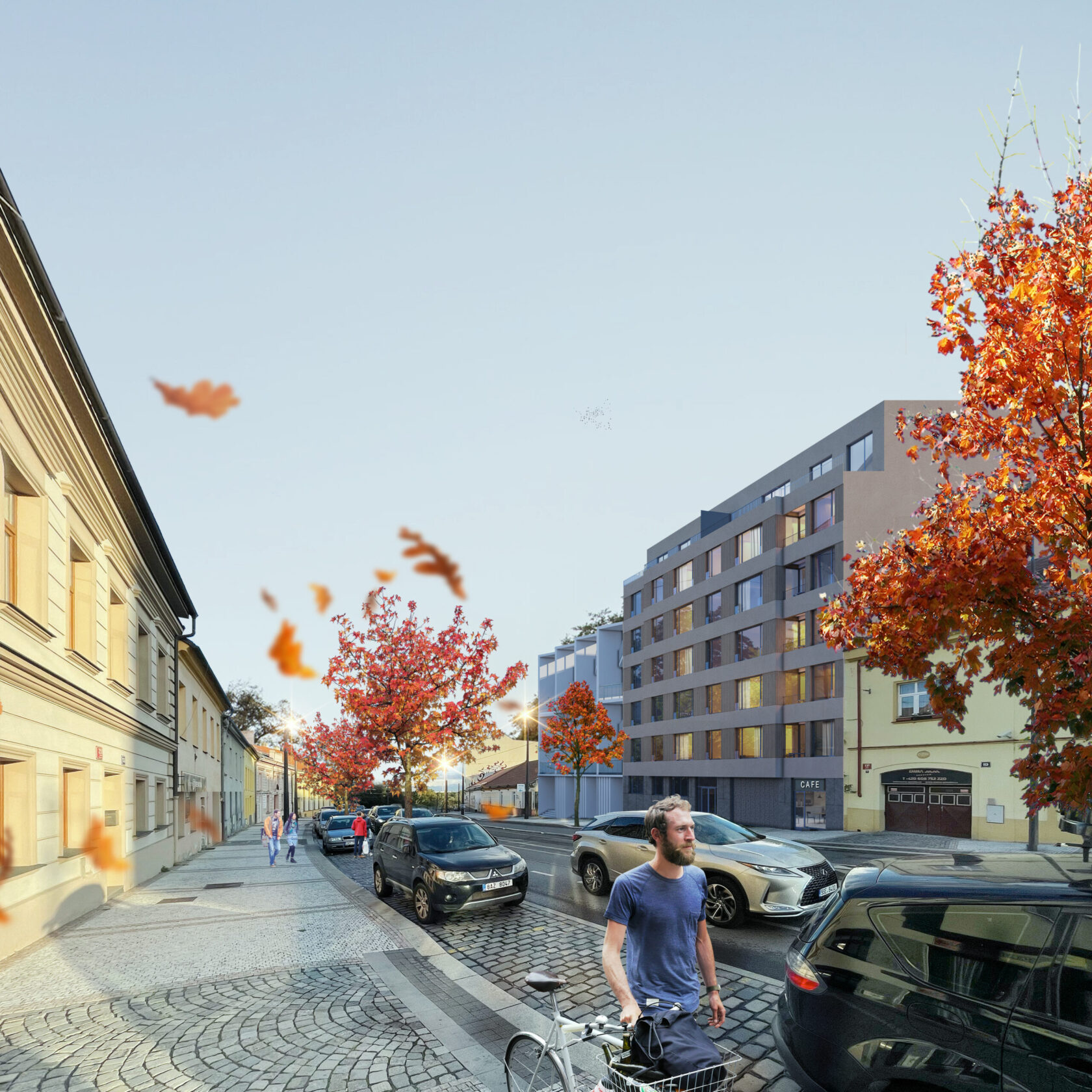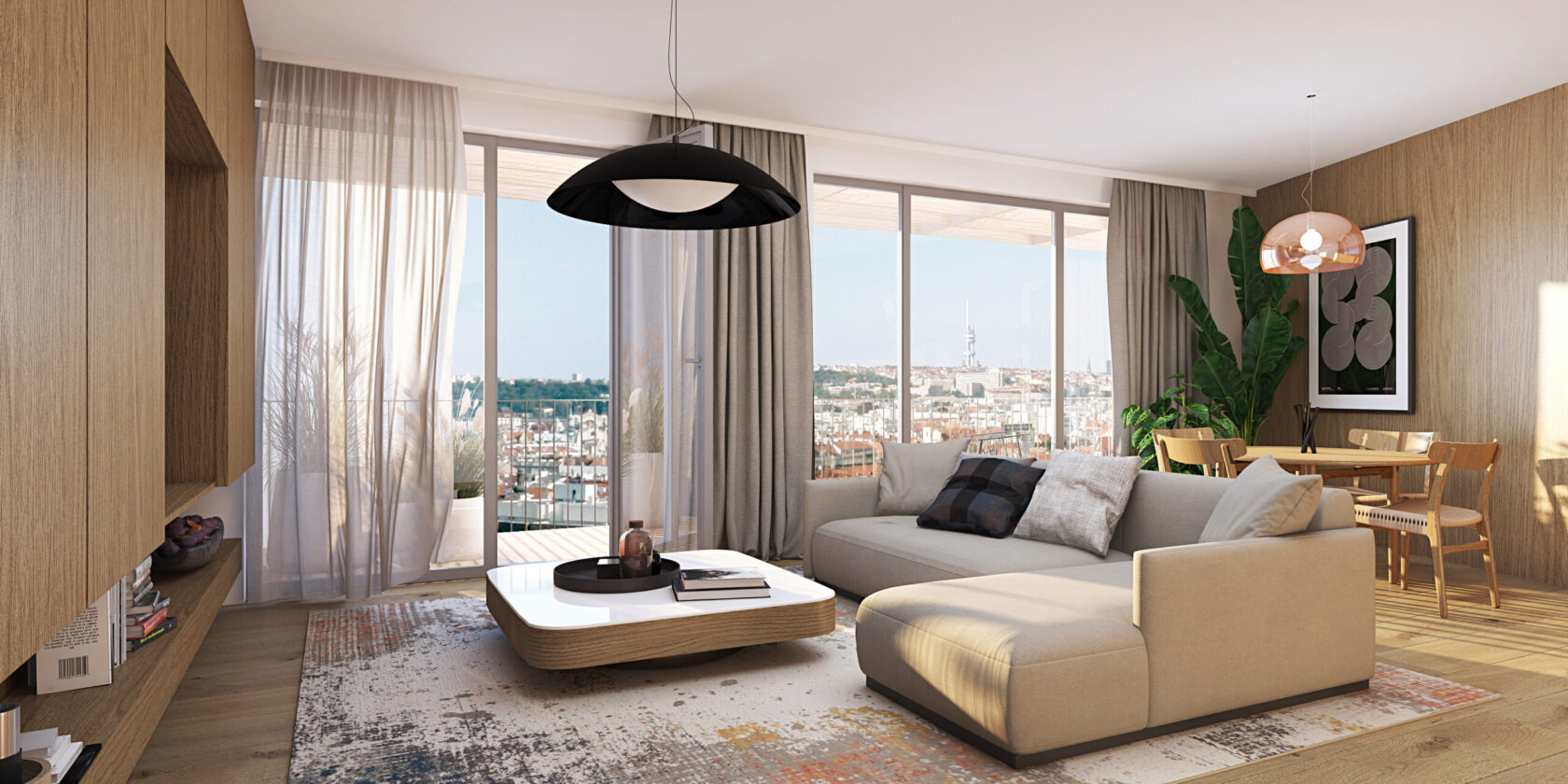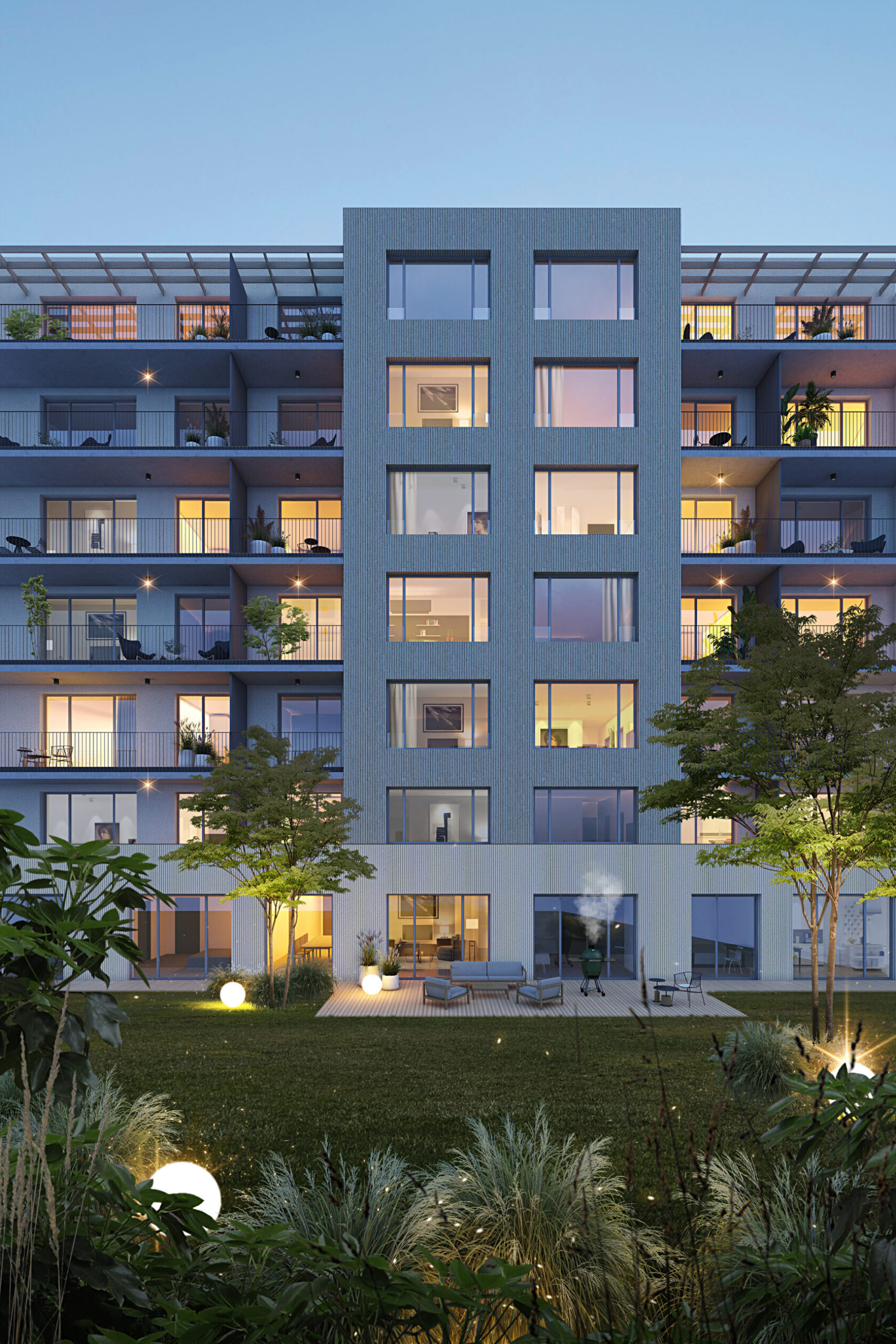
A new apartment building is being developed on vacant plots in Prague’s Libeň district. Its concept draws inspiration from traditional perimeter block development while also reflecting a vision for the future growth of the neighbourhood. The building is designed as a solid urban apartment house with an active ground floor, intended to contribute to the dynamic transformation of the entire area. Through its proportions and layout, it is meant to fit naturally into the changing character of Zenklova Street.
Libeň, a historic working-class district, is an area marked by vacant lots and an incomplete block structure. The original buildings here have a simpler character, often consisting of old masonry structures that once served as car repair shops, workshops, or small industrial facilities. Today, however, the area is undergoing a major transformation. The future metropolitan plan envisages taller development and the modernization of the whole district. Our project is one of the first signs of this vision: a seven-storey building that will become a symbol of a new phase in Libeň’s development.
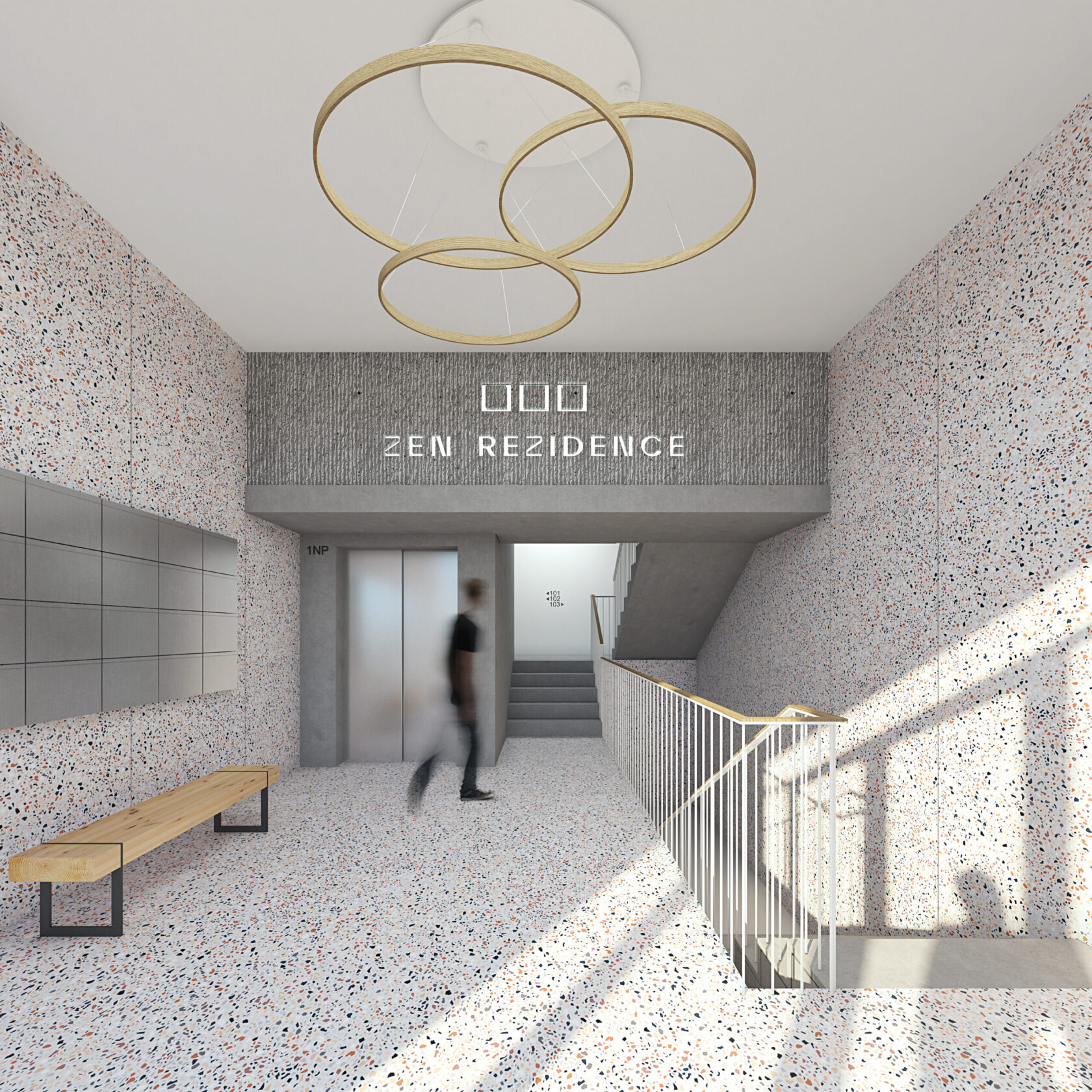
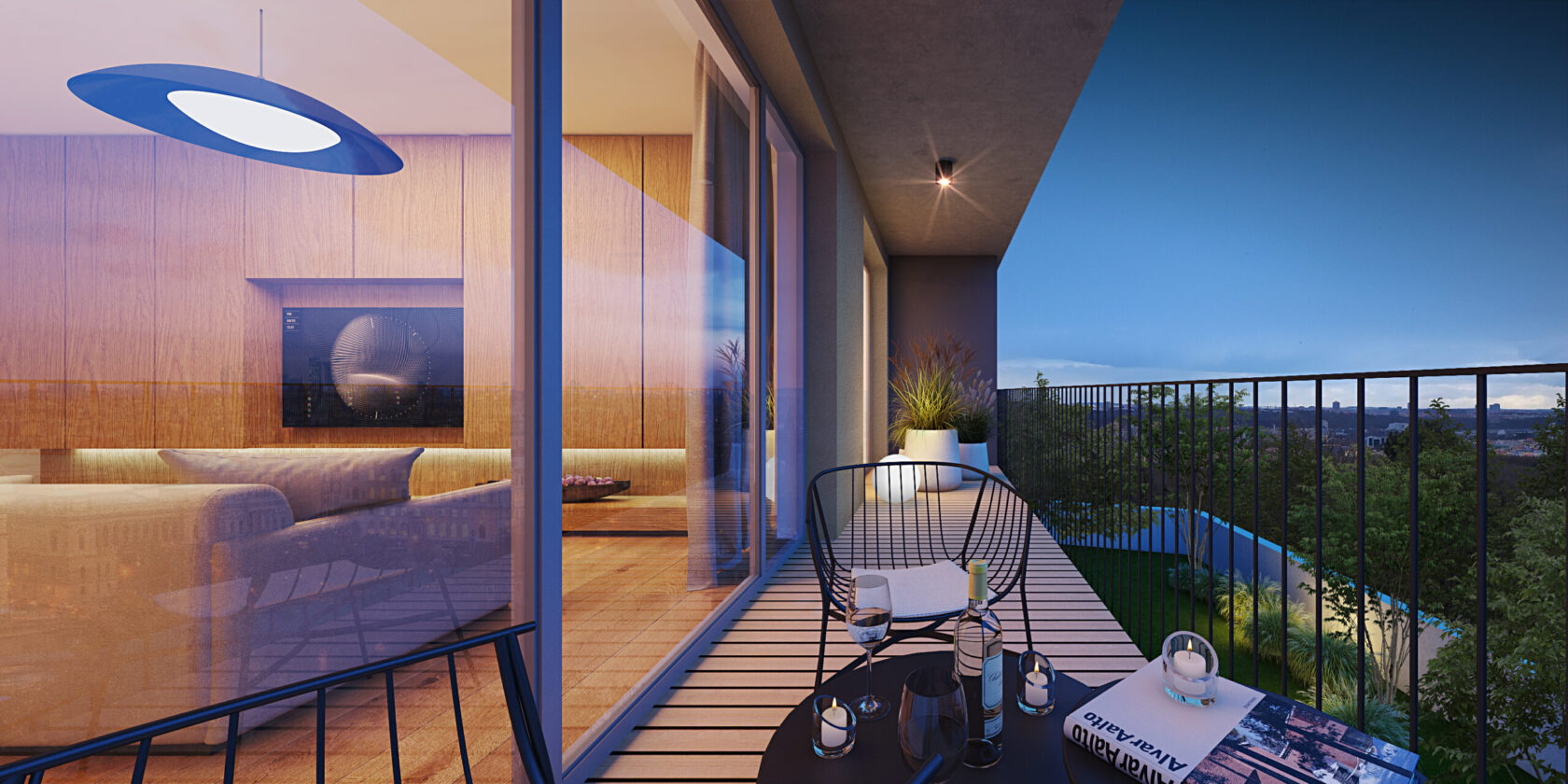
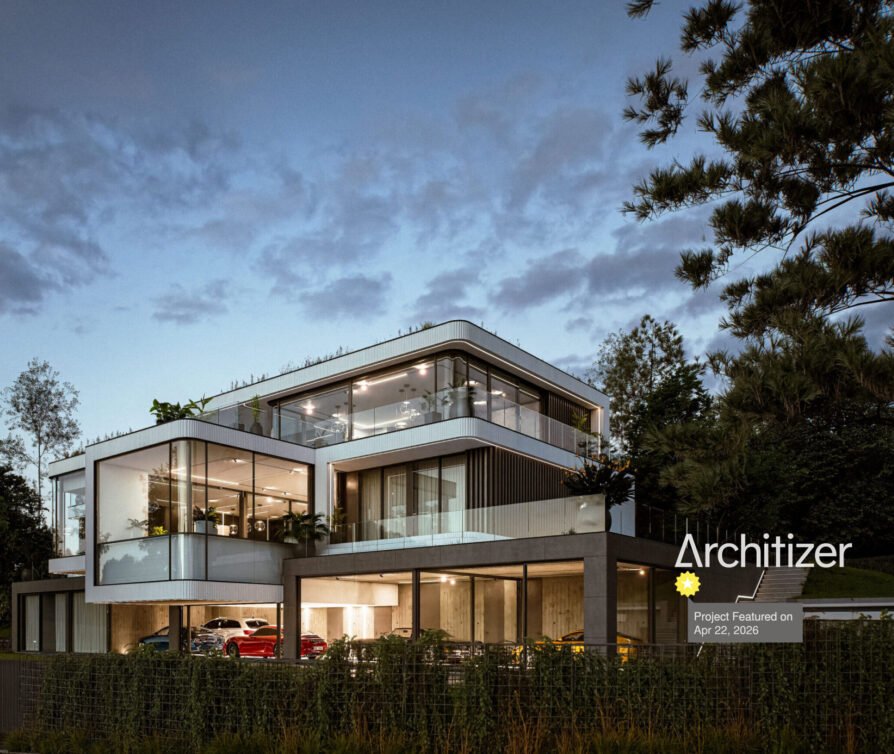
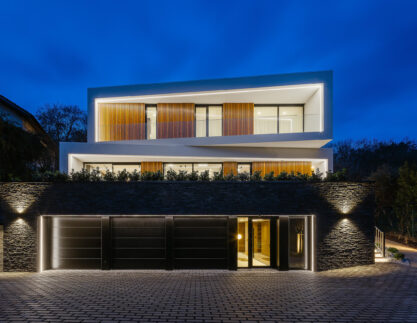
The building’s front facade is accented by a bay window, while the ground floor is designed to accommodate shops and services. The recessed top floor adds elegance to the overall composition. The rear facade faces the inner courtyard and includes a system of loggias that make use of natural daylight and provide peaceful views of greenery. In addition to the entrance areas, the ground floor also contains a car lift leading to two underground parking levels.
Structurally, the building is designed as a reinforced concrete frame with partially masonry-built upper floors. An important aspect of the design was adapting the project to the planned construction of the Blanka 2 tunnel. The basement wall of the building will also serve as retaining support for the tunnel excavation, which required special technical adjustments.
During the design process, the project faced several complications. One of them was the need to redesign the building due to a change in the requirements for access to the car lift, from originally one-way to two-way traffic. This unexpected change had a significant impact on the overall concept of the building.