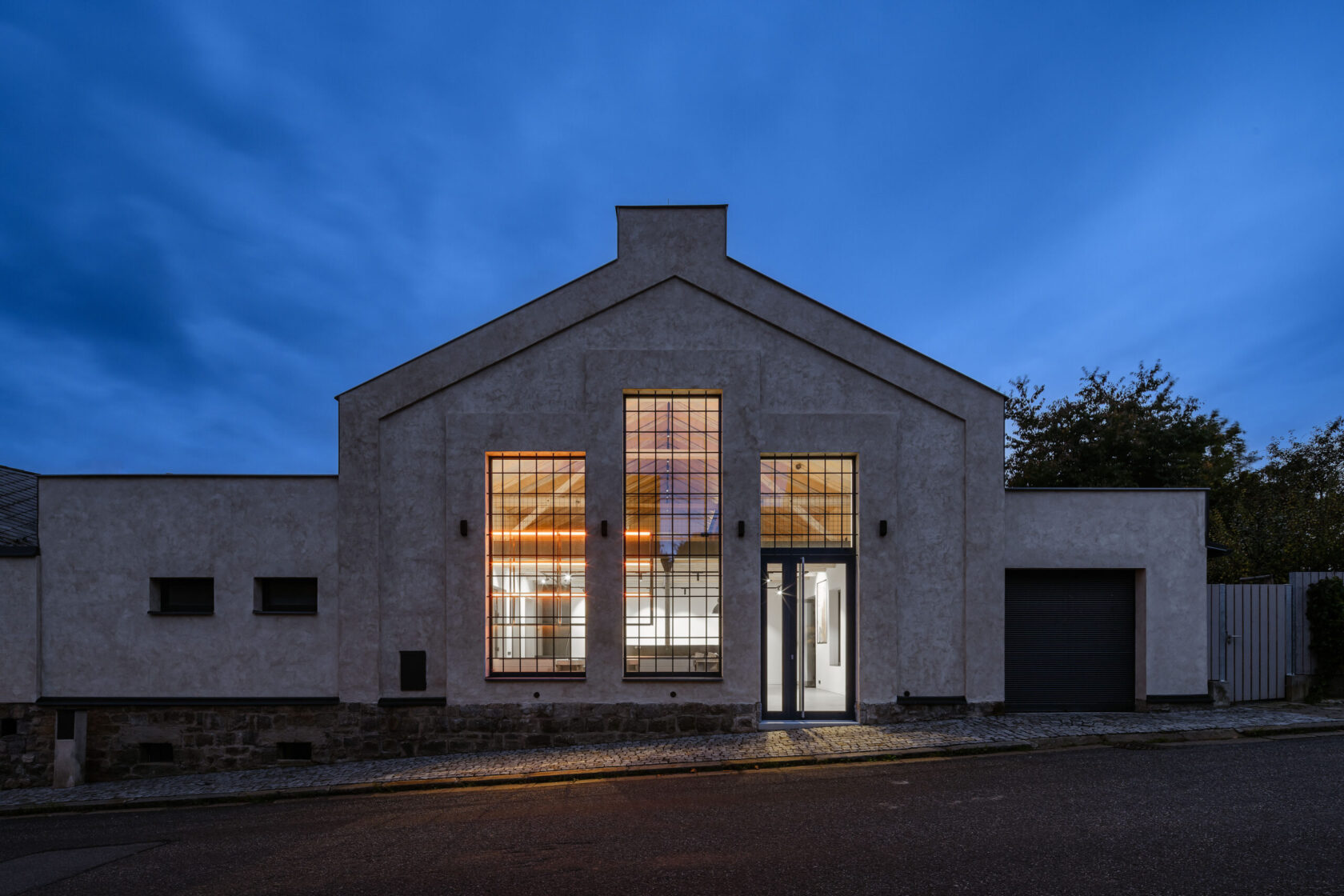
A former weaving house from the late 19th century with an adjoining workshop—owned by the family of architect Dan Merta for more than a hundred years—has undergone a sensitive reconstruction and a substantial architectural conversion. The project combines the restoration of historic elements with a new spatial concept. The former lacquer workshop has been transformed into a multifunctional space housing a gallery, a wine bar, and a wellness area.
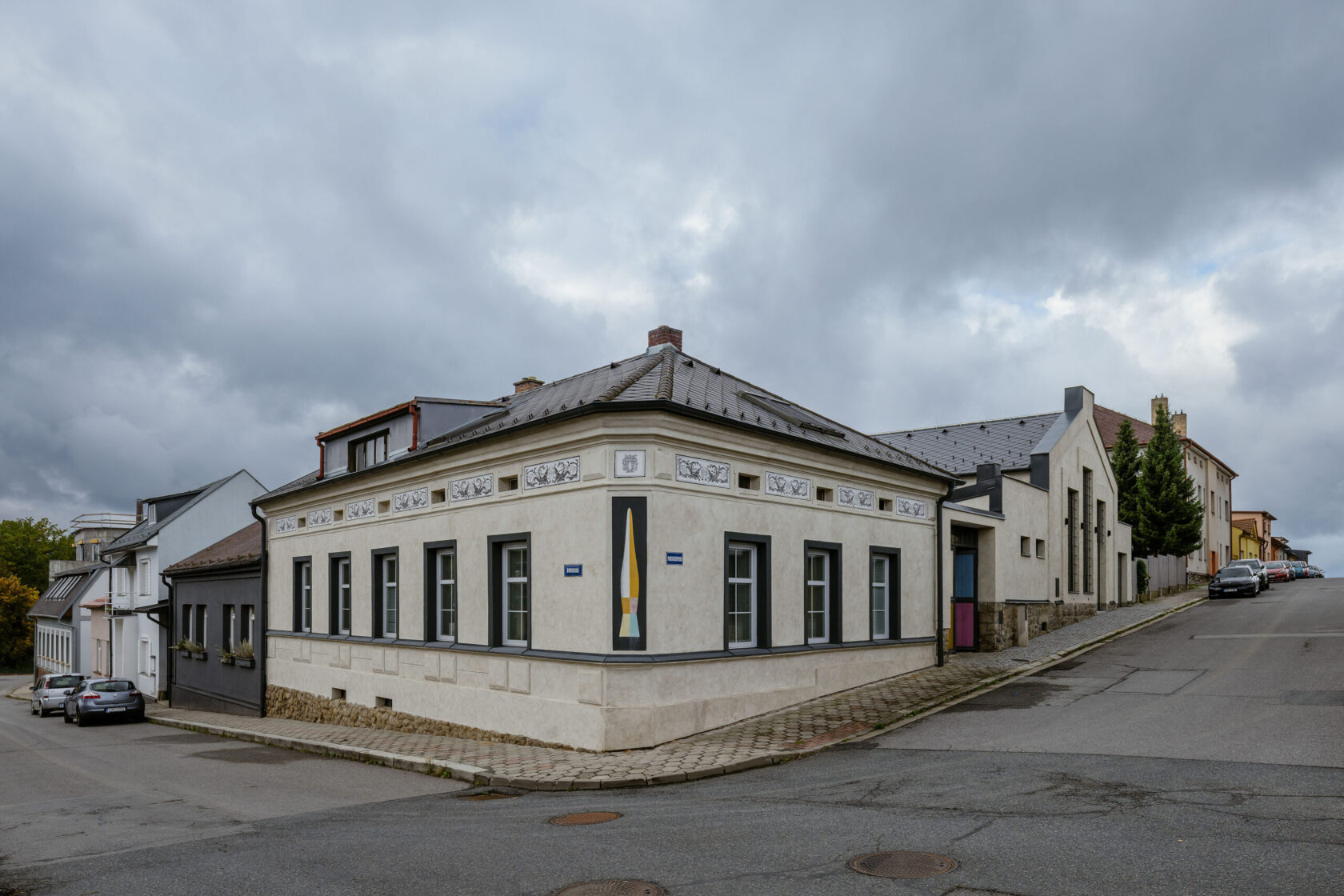
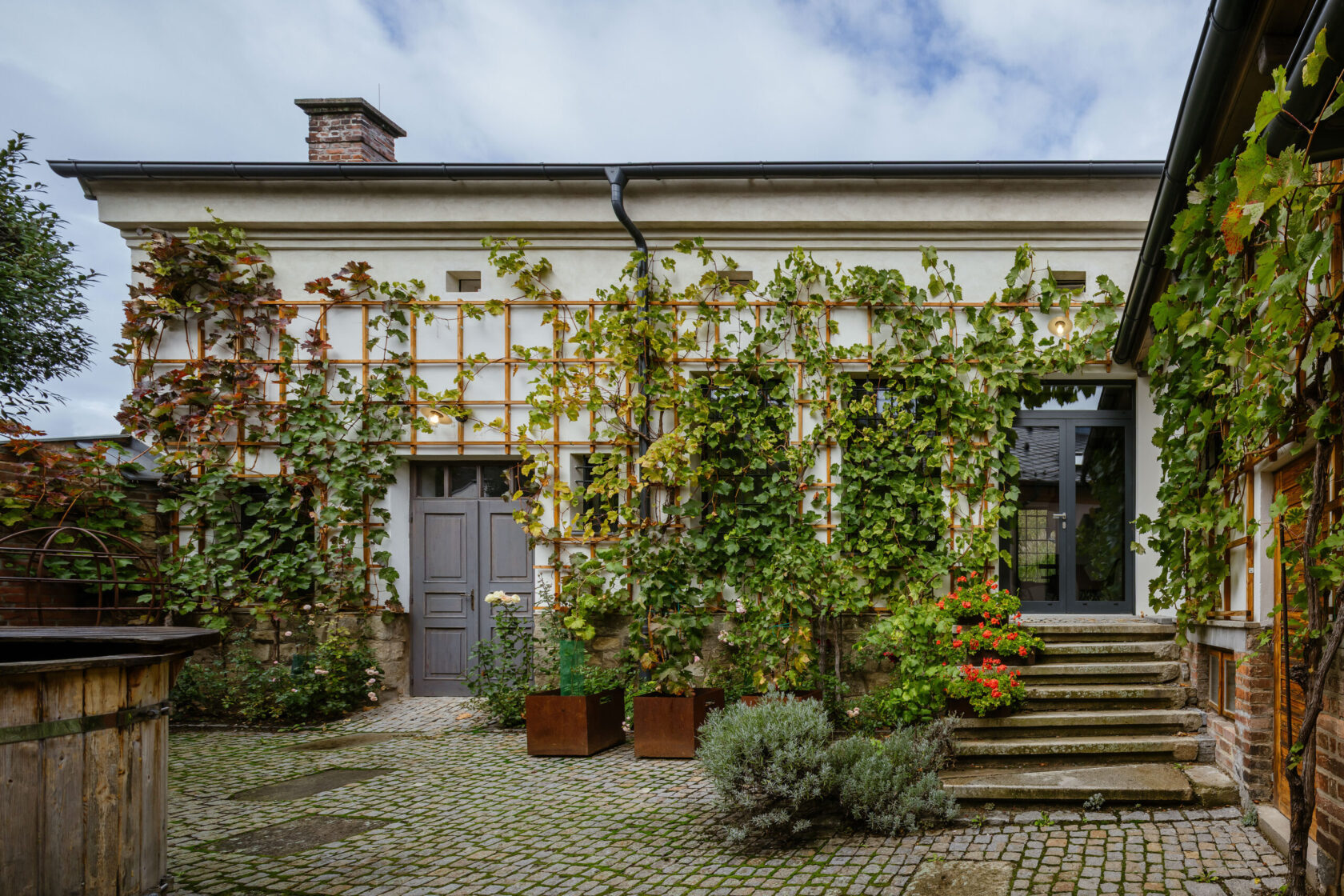
The complex, located on the corner of Panskodomská and Dvorská streets in Humpolec, consists of two buildings of different ages. The older structure dates back to the period of Historicism, as evidenced by the decorative paintings on its façade. The second building was constructed in the 1930s as a lacquer workshop.
The workshop was once run by Oto Pípal, a well-known lacquerer and craftsman in Humpolec and the great-grandfather of architect Dan Merta. The family has owned the property for over a century, a fact reflected in the exceptional care devoted to its renovation. Other family members gradually became involved in the project, including art historian Dan Merta, long-time director of the Jaroslav Fragner Gallery and author of a publication on the architecture of Humpolec.
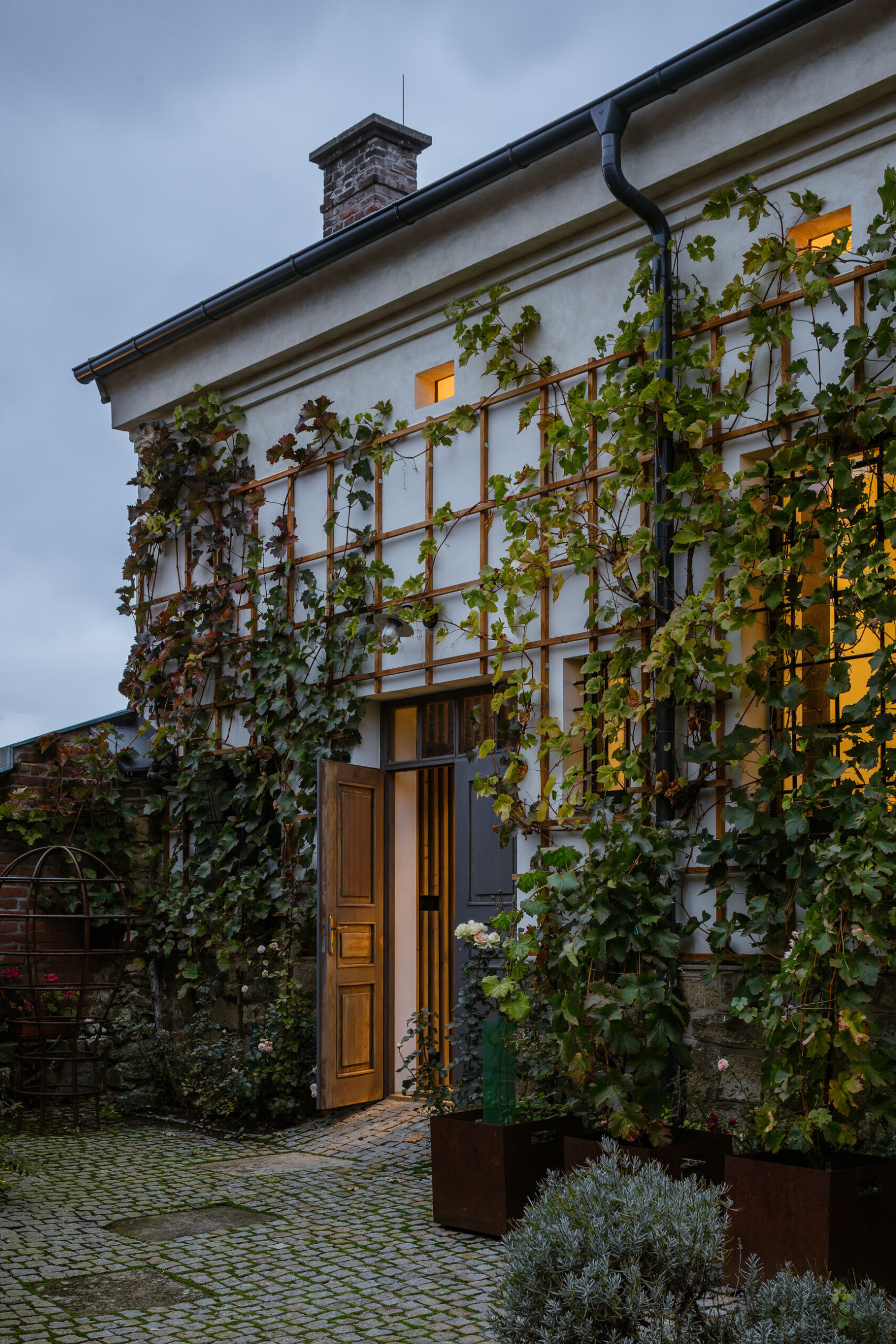
While the workshop has already been fully transformed, the residential part—created from the former weaving house—is still awaiting interior refurbishment. Externally, however, it has been completed with a new façade, restored decorative details—including the distinctive painter’s brush on the corner—and a colour scheme unified with the adjacent workshop. “The change from the former apricot–ochre tone to the current pastel finish with light anthracite elements is based on the original colour combination,” explains Dan Merta.
Whereas the “weaving” house was approached with an emphasis on preserving its original character, Dan Merta adopted a more radical strategy in the case of the former workshop. “I wanted to create a contemporary building without denying its craft-based history,” he explains.
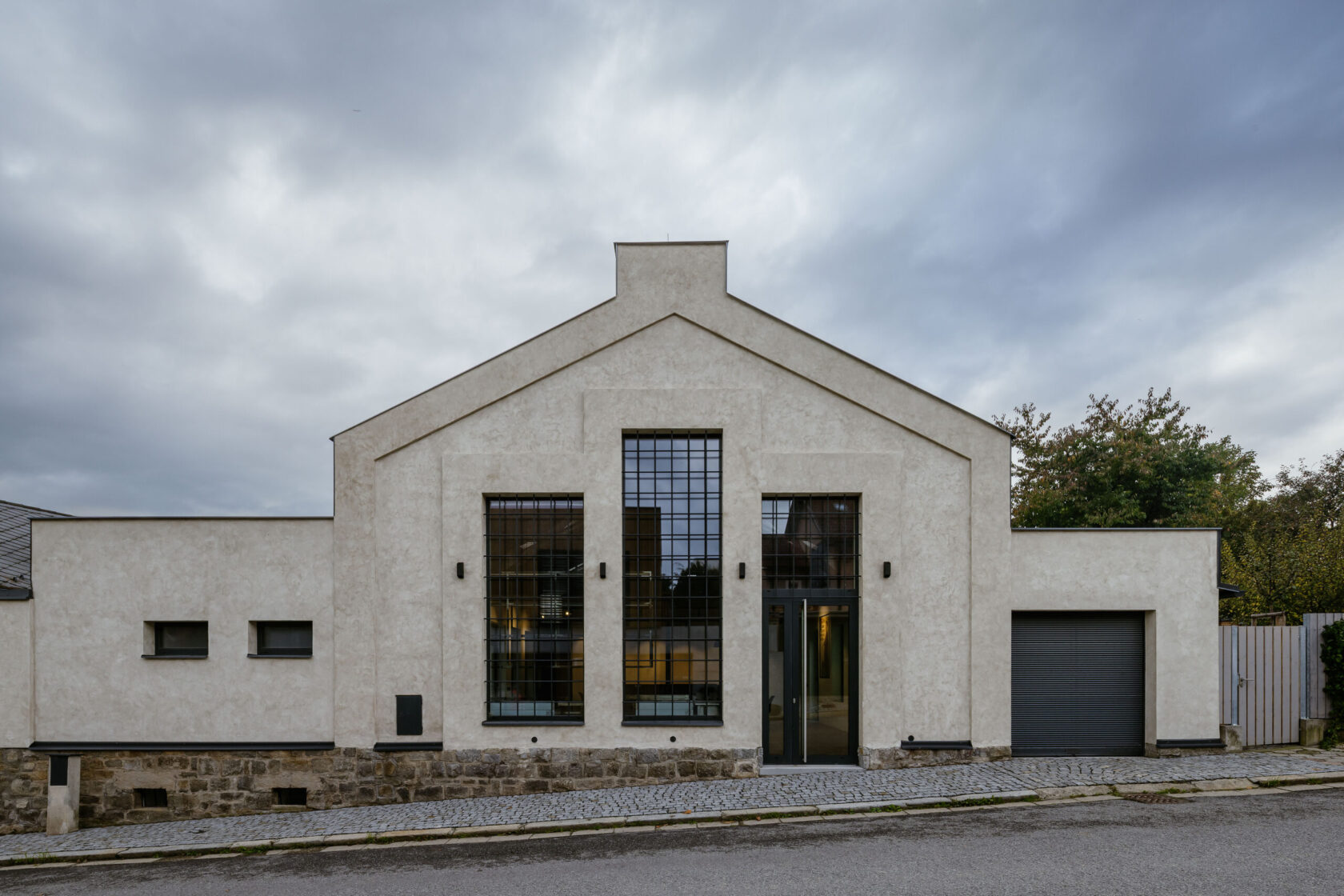
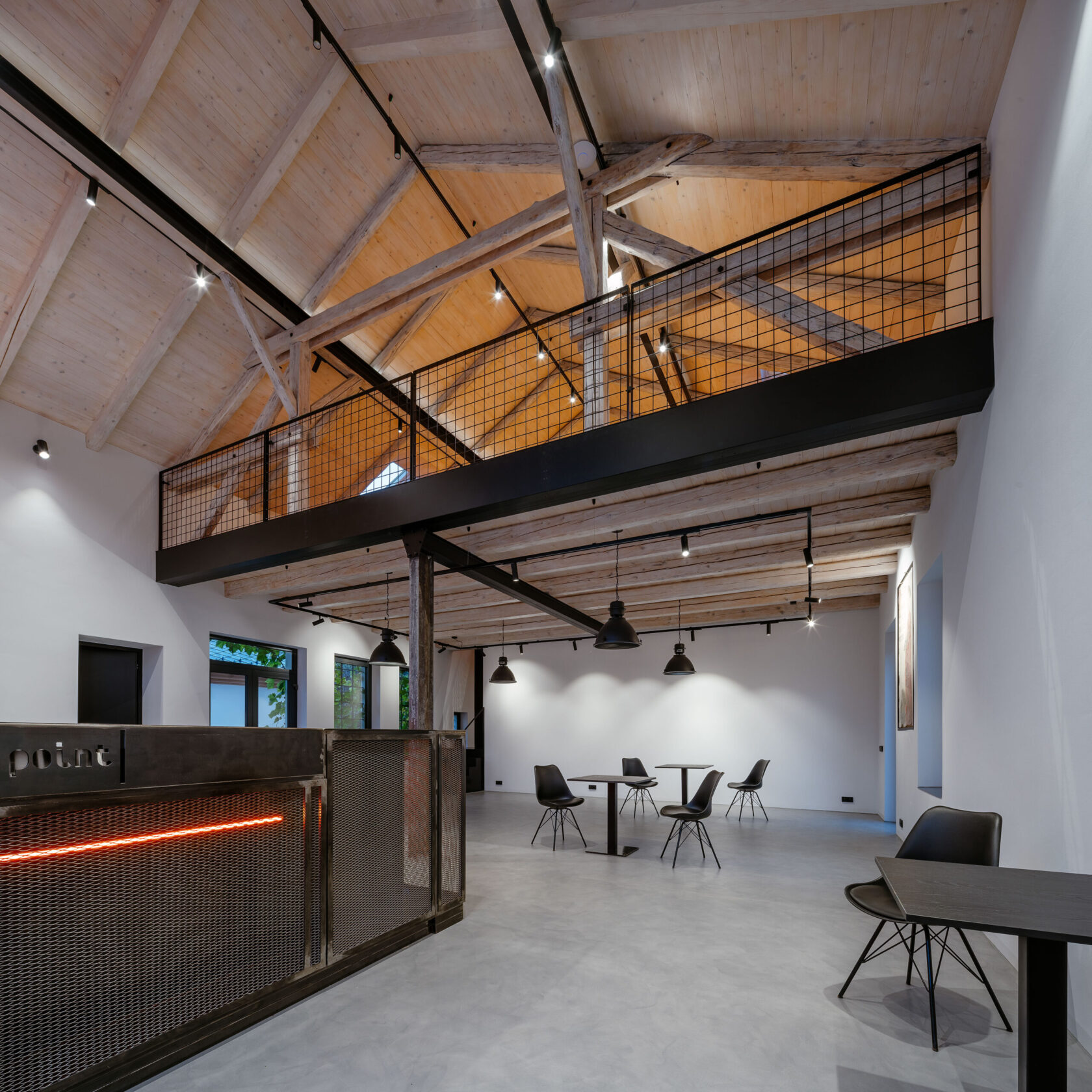
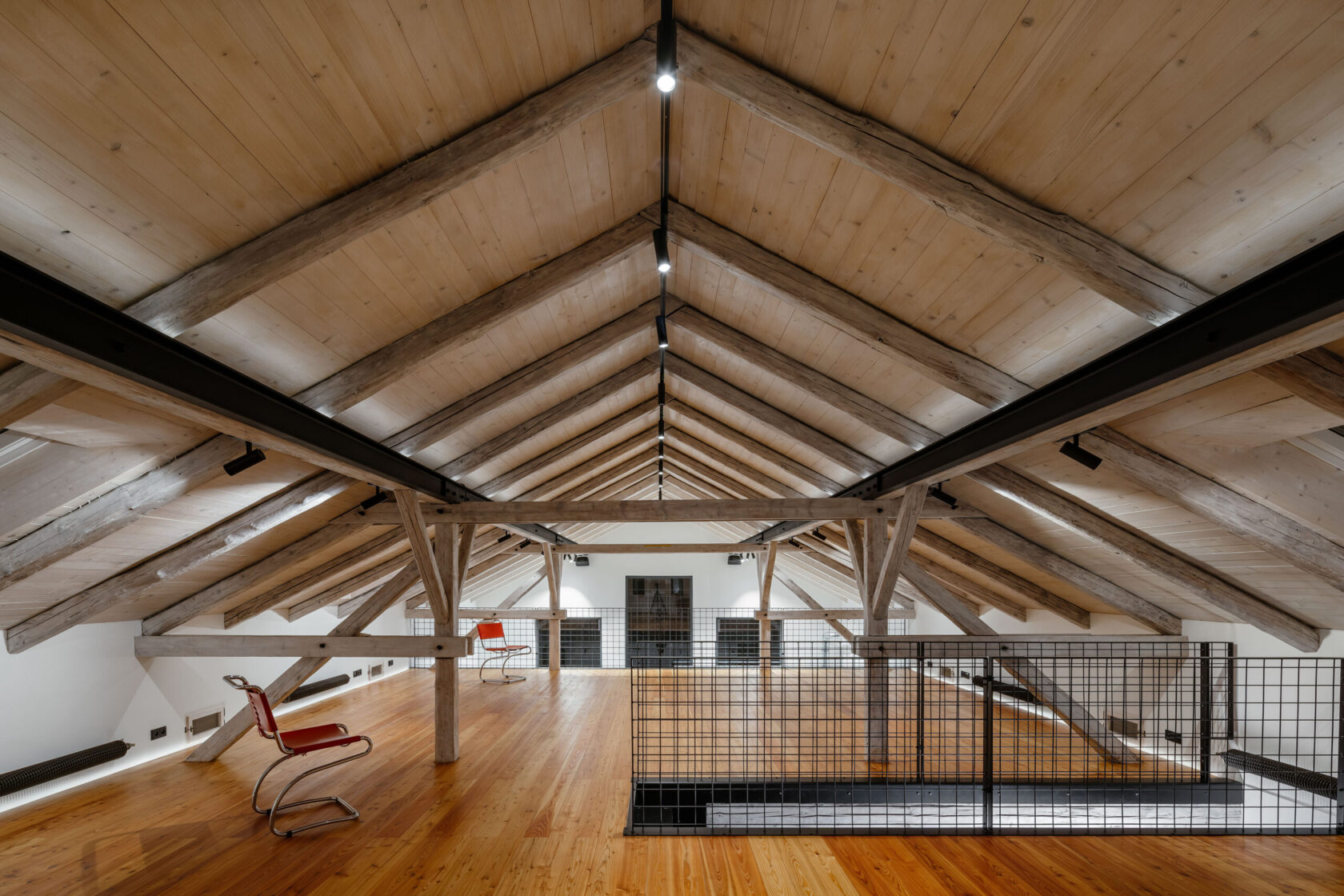
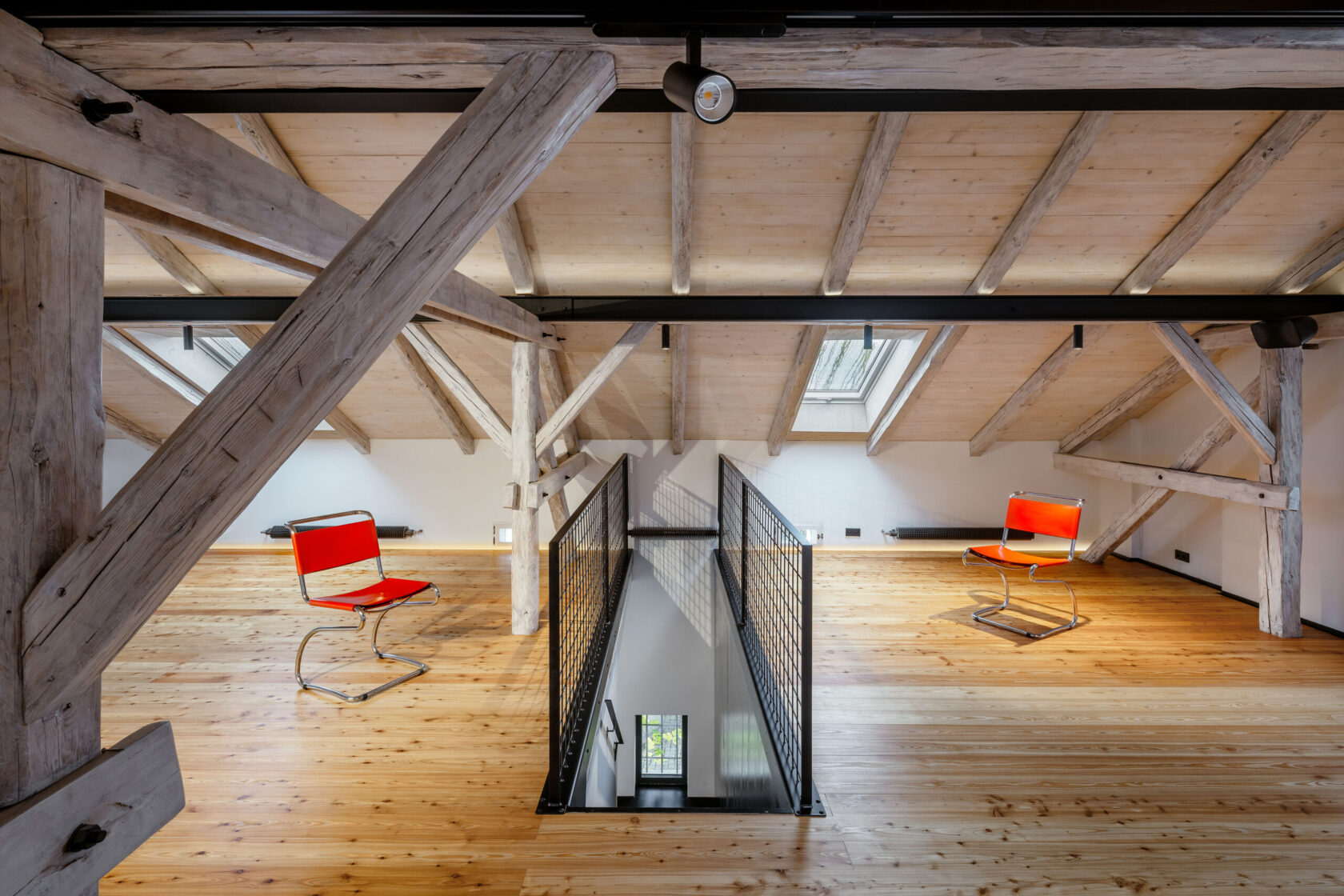
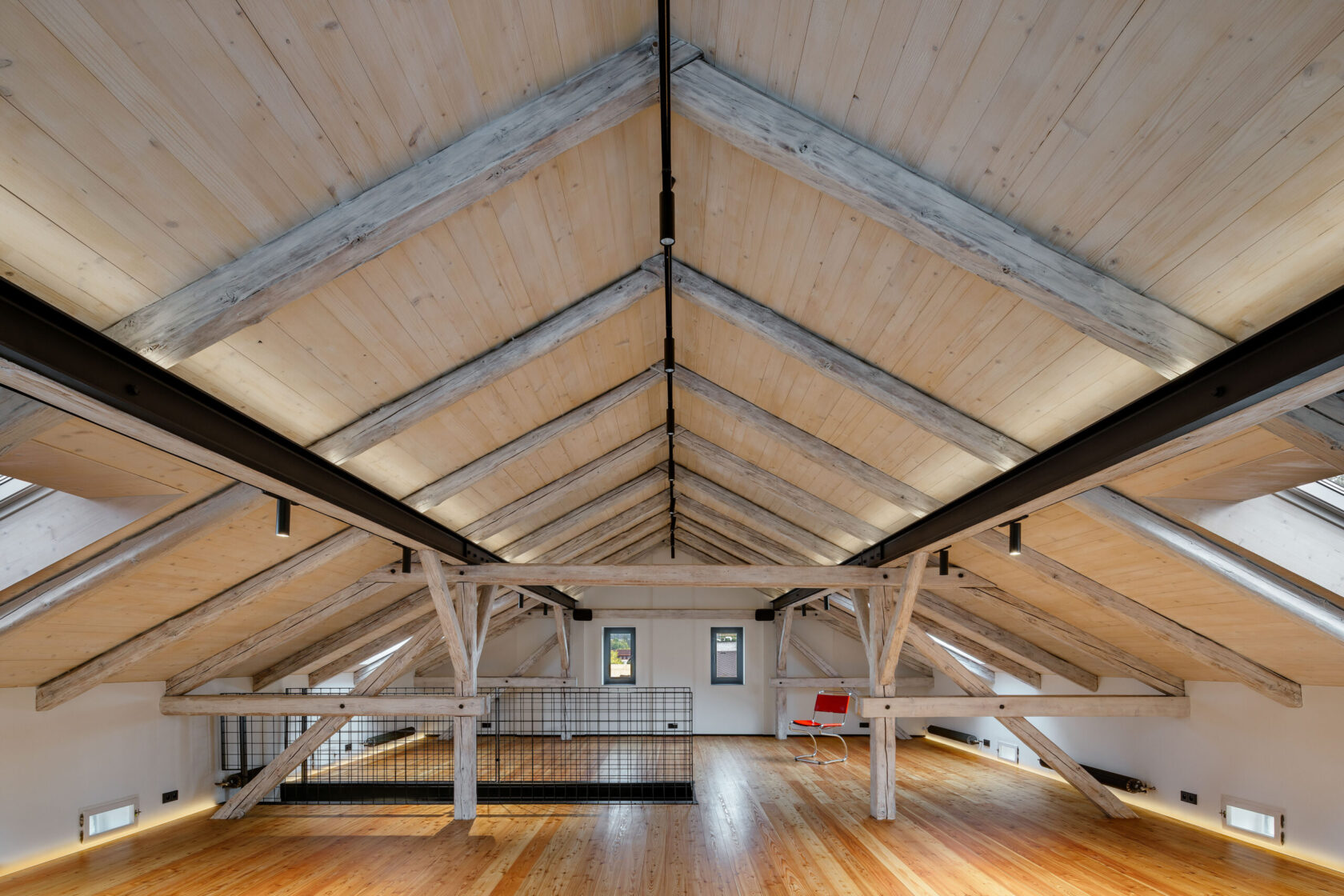
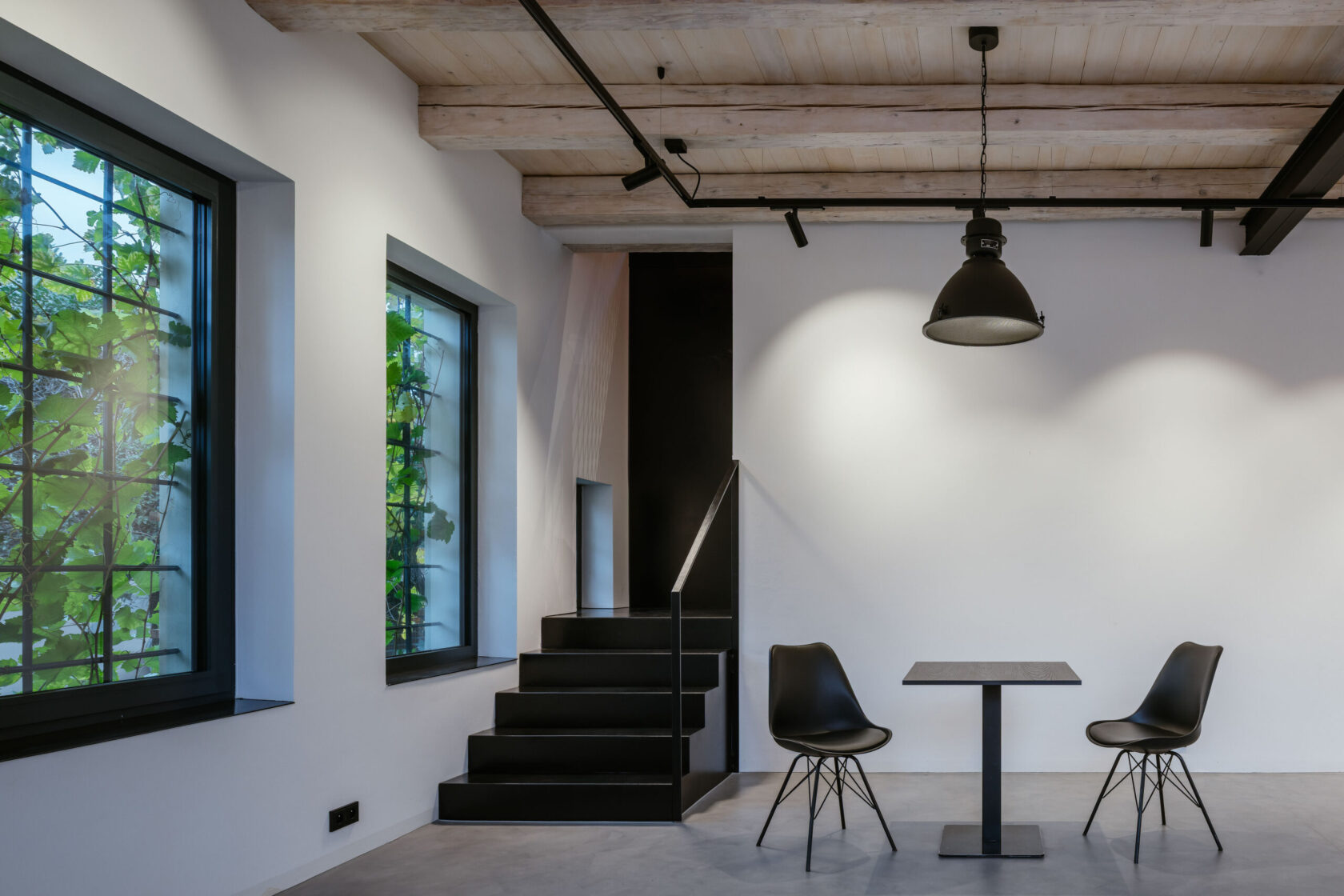
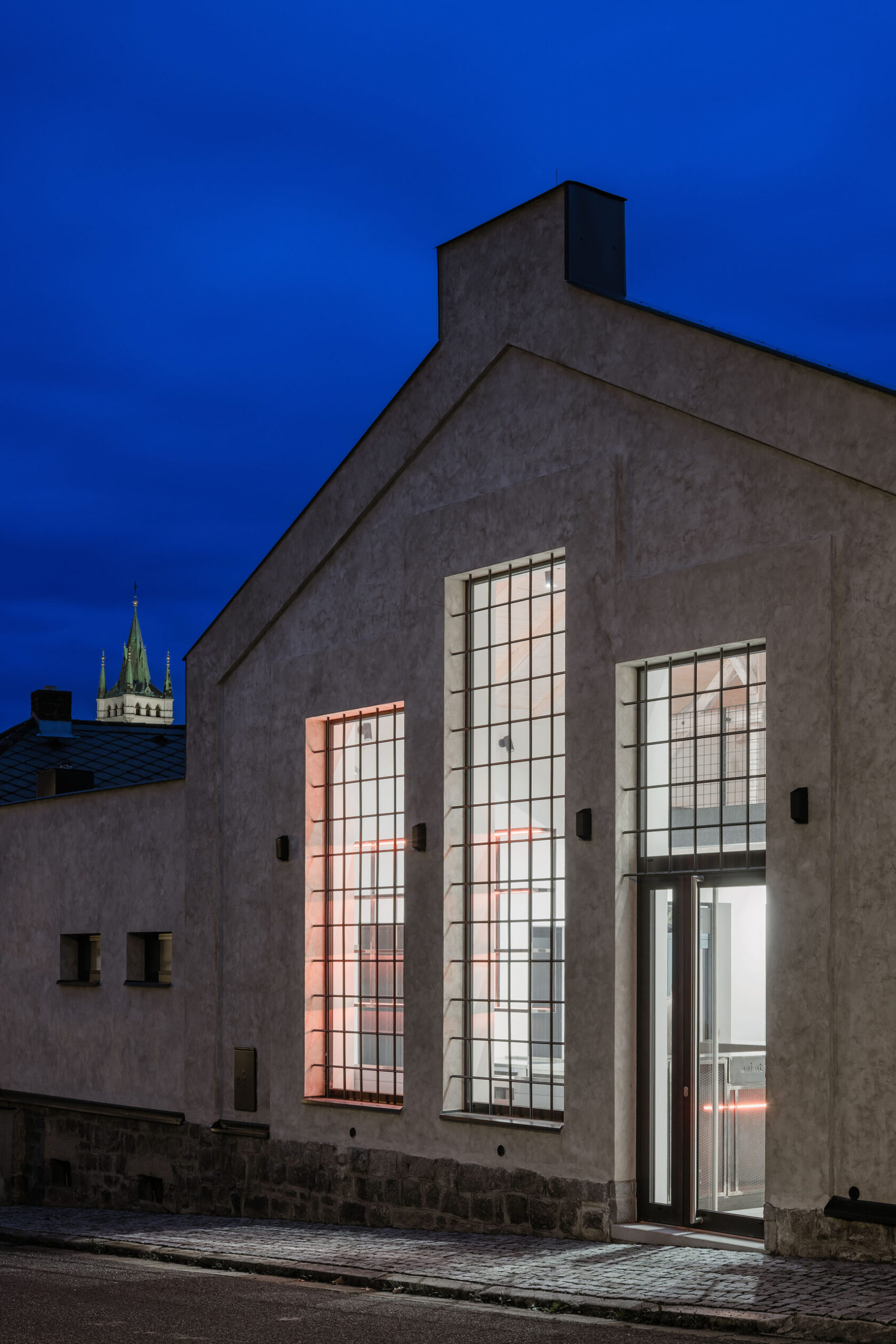
During the reconstruction, the hipped roof facing the street was removed and the entire gable was redefined, gaining a more industrial expression inspired by early 20th-century manufacturing architecture. Inside, the new proportions allowed for the creation of a double-height central space with an inserted gallery, now well lit by natural daylight—something the original structure with its low attic could not provide. Three tall windows facing the street, set in aluminium Aluprof profiles, bring daylight deep into the interior; one of them incorporates an entrance door, allowing direct access from the pavement.
The workshop was stripped back to its load-bearing structure, with new clay floors, heating, smart home systems, and energy-efficient solutions introduced throughout. While respecting the site’s craft heritage, the architect opened the building to entirely new functions.
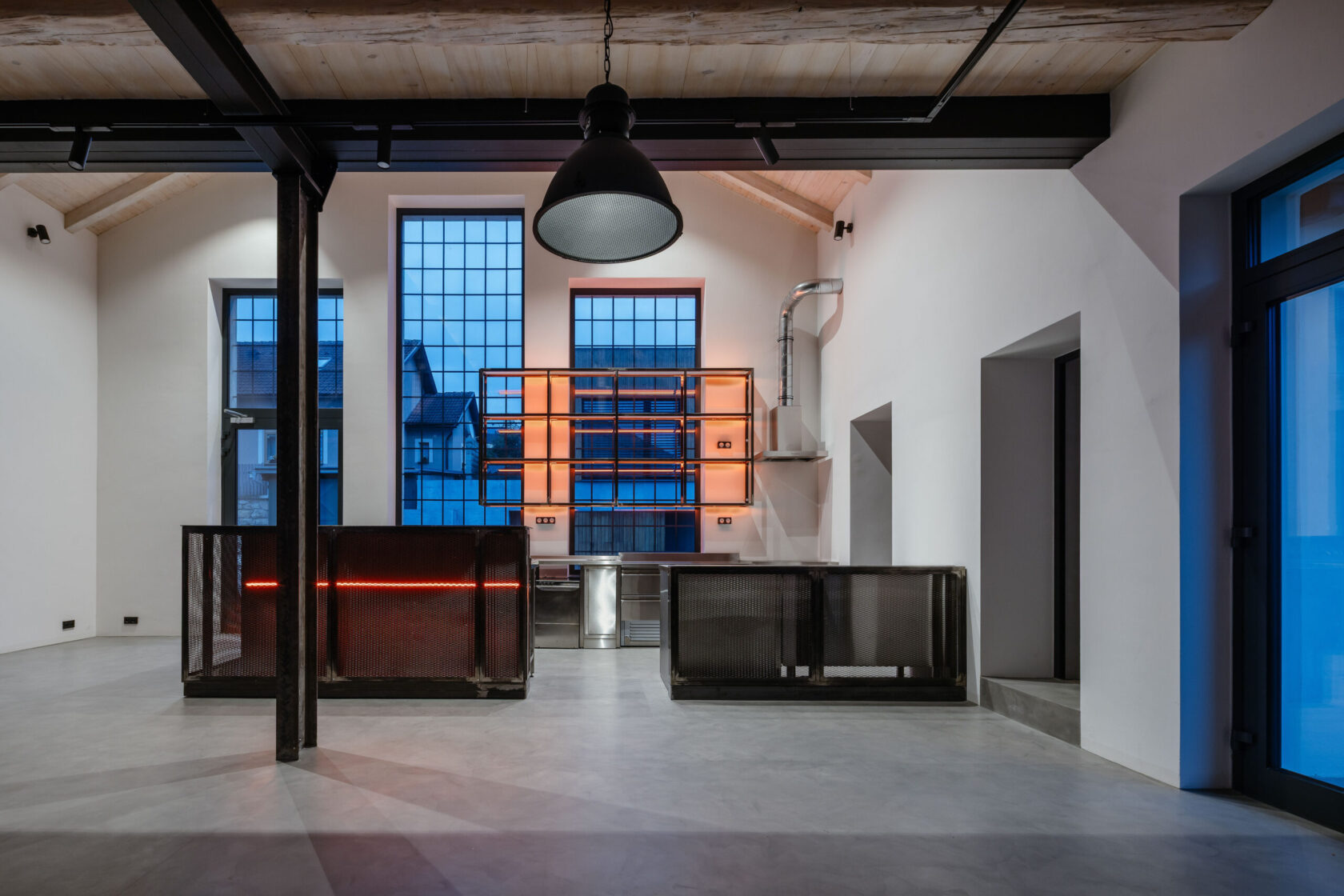
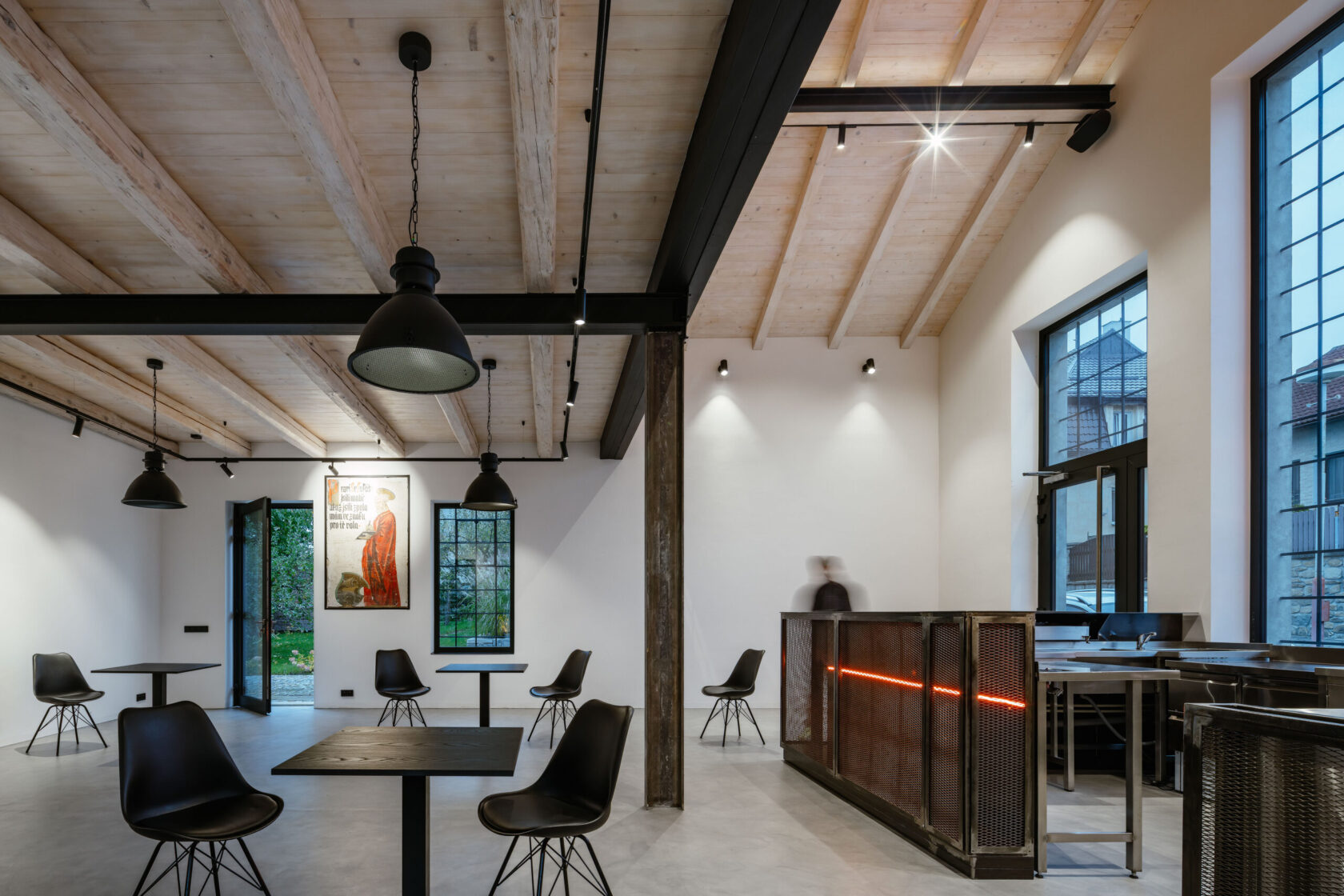
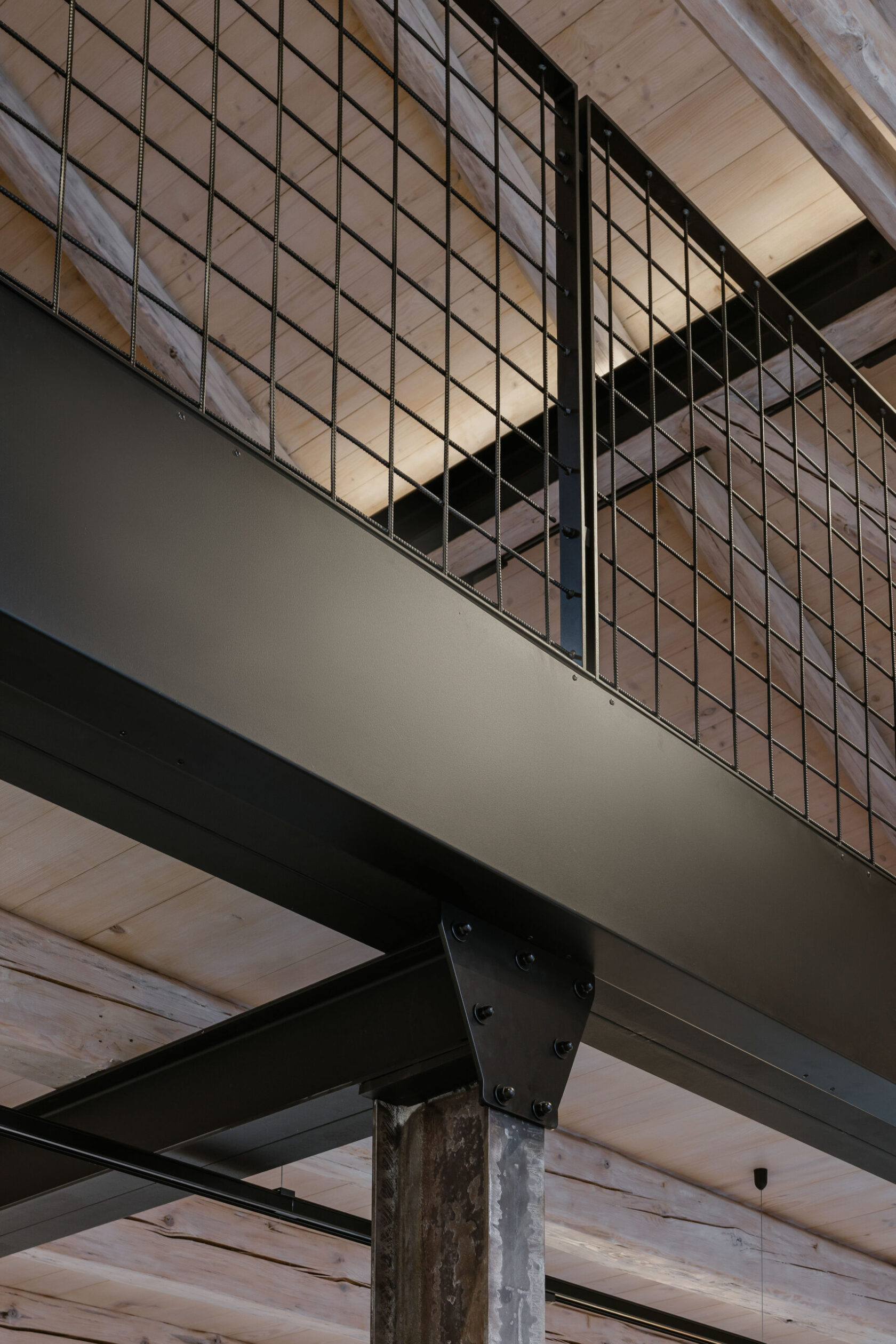
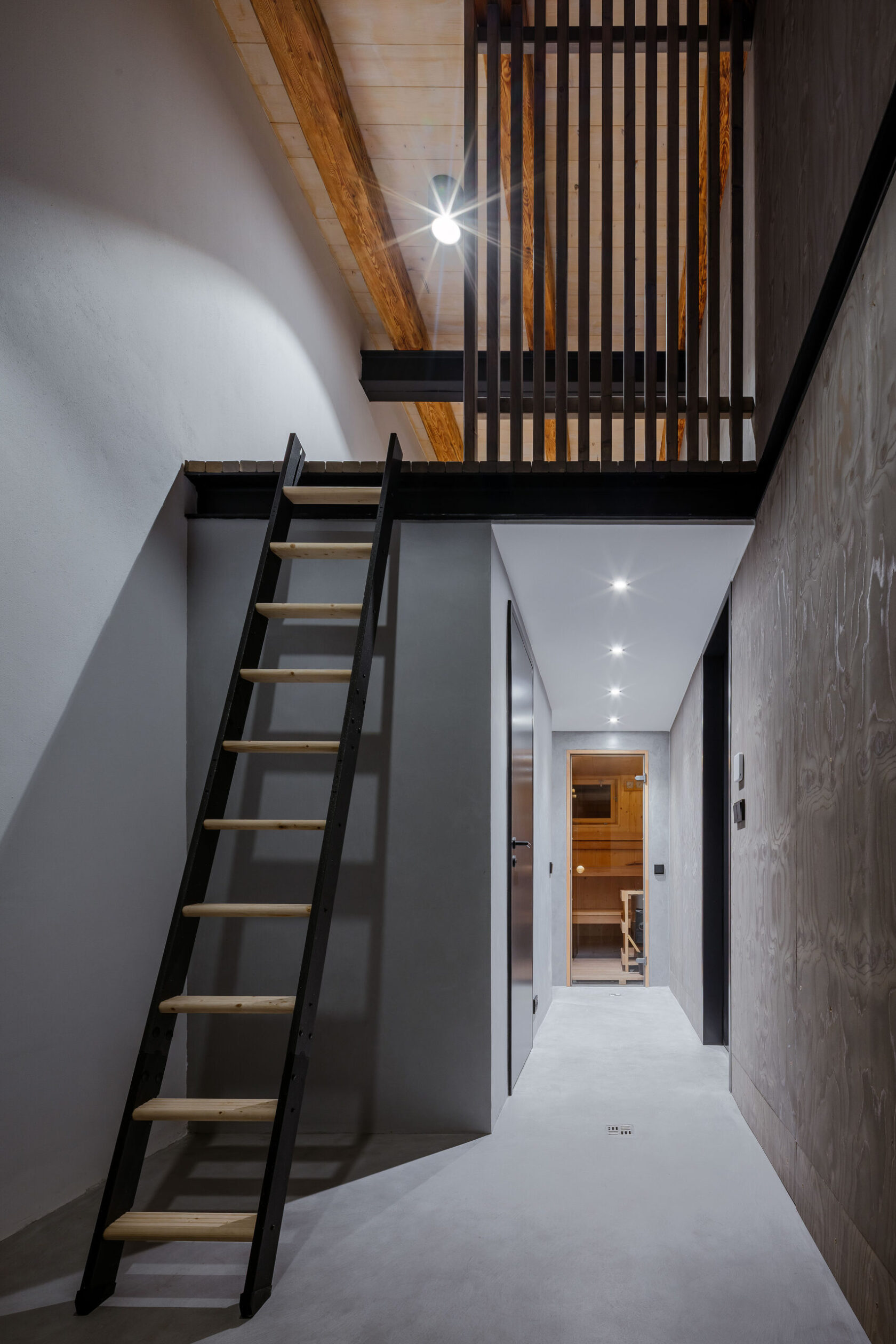
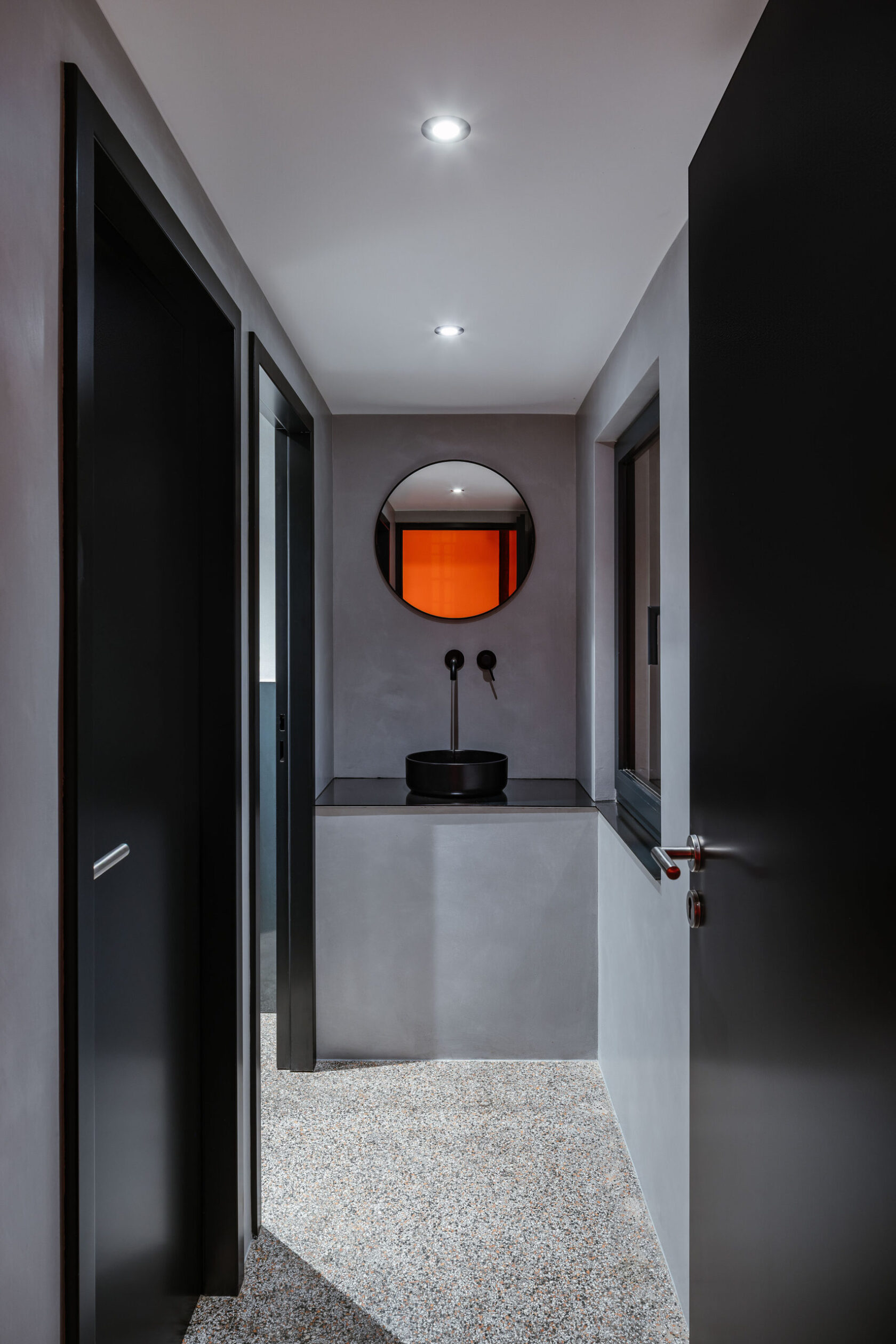
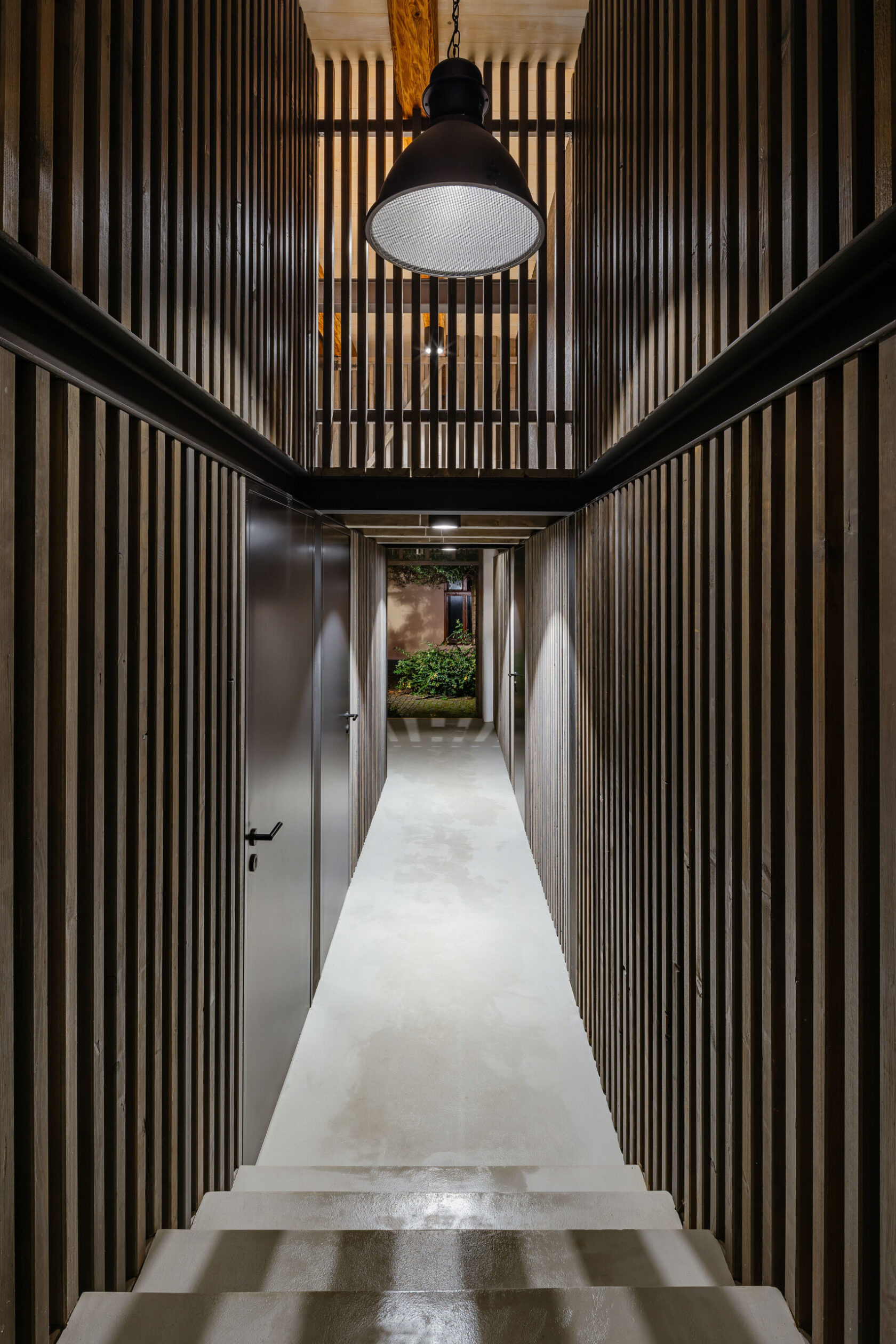
Today, the front part of the building houses a gallery used for exhibitions and cultural events, complemented by a wine bar with an open kitchen. “In this area, the original terrazzo floor was uncovered and carefully restored—it has become one of the most distinctive features of the entire conversion,” adds Dan Merta. At the rear of the former workshop, a small wellness area was created. An inserted steel structure with louvered infill subtly divides the space while reinforcing its industrial character.
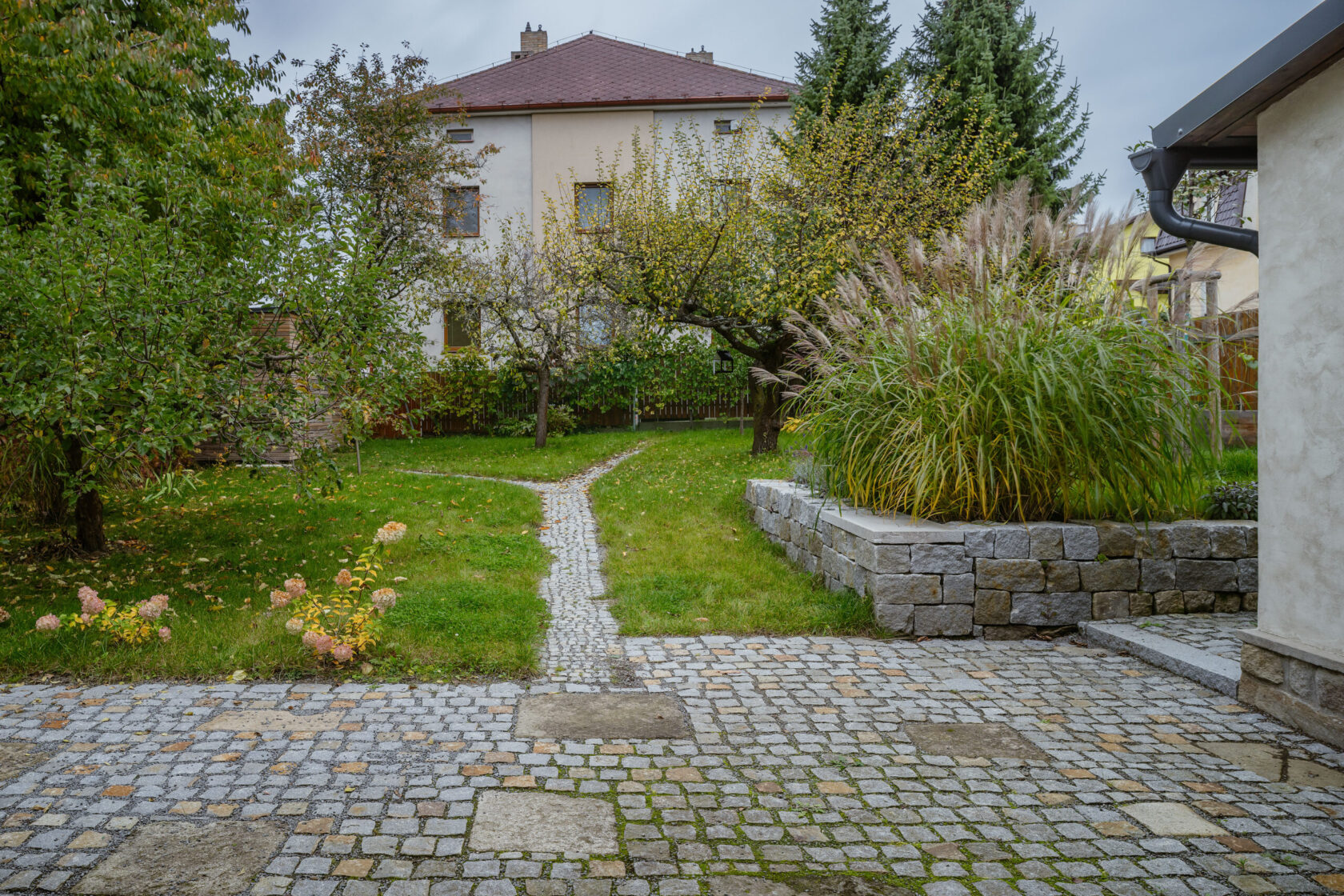
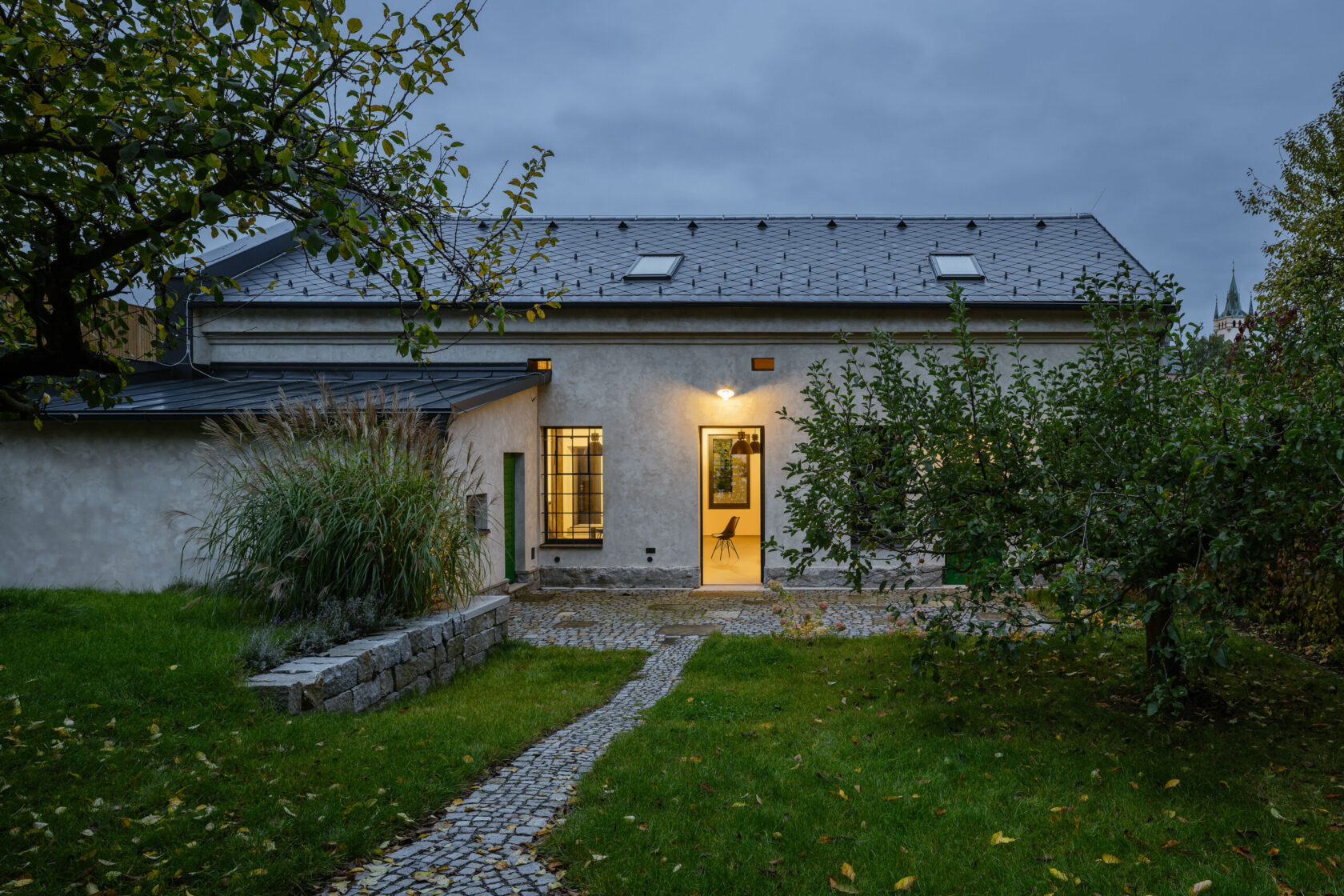
The new use of the former workshop also benefits from a pleasant adjoining courtyard and garden, offering a green retreat for visitors. While the building presents a nearly monumental appearance toward the street thanks to its new gable, it retains a more intimate, domestic atmosphere on the garden side. Enjoying a glass of wine here is sure to be a delightful experience.
For the conversion of the former lacquer workshop into a gallery and wine bar, the aluminium window and door system Aluprof MB-79N with thermal insulation was used. Despite its relatively shallow construction depth, the system provides excellent thermal performance, airtightness, and acoustic insulation of up to 46 dB. “This versatile system can be applied across a wide range of projects—from new buildings to renovations. It represents an ideal solution for architects and designers seeking reliable, durable products with an elegant appearance,” explains Tomáš Buček.
The main partner of the project is lighting manufacturer Halla a.s., which collaborated on the lighting design throughout the entire complex.